
Intumescent Coatings Contractor: Commercial Fire Protection
Structural steel is one of the most common materials in commercial and industrial construction. Why? Because it’s strong, versatile, and cost-effective. However, steel loses its load-bearing capacity rapidly when exposed to high temperatures, and without protection, this can lead to structural collapse before safe evacuation is possible.
Intumescent coatings are the primary form of passive fire protection for structural steelwork in the UK. And ACS Coatings are specialist intumescent coatings contractors with experience across commercial, industrial, and public sector buildings nationwide.
In this article, we’ll tell you everything you need to know about intumescent coatings, from what they are to how they protect steel, benefits for your premises, and more.
What Are Intumescent Coatings?
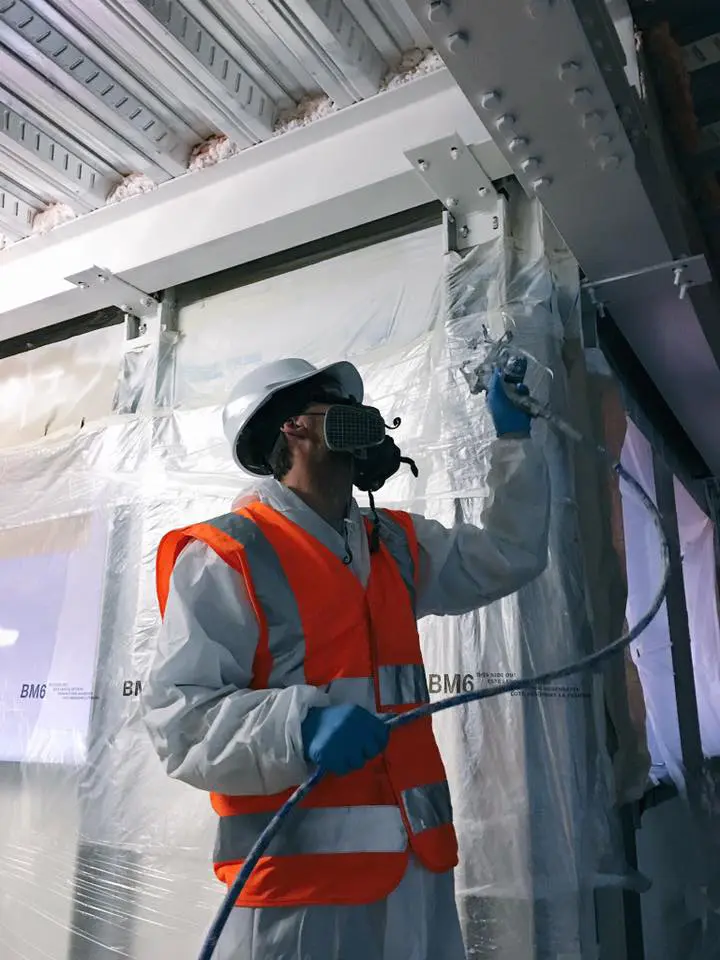
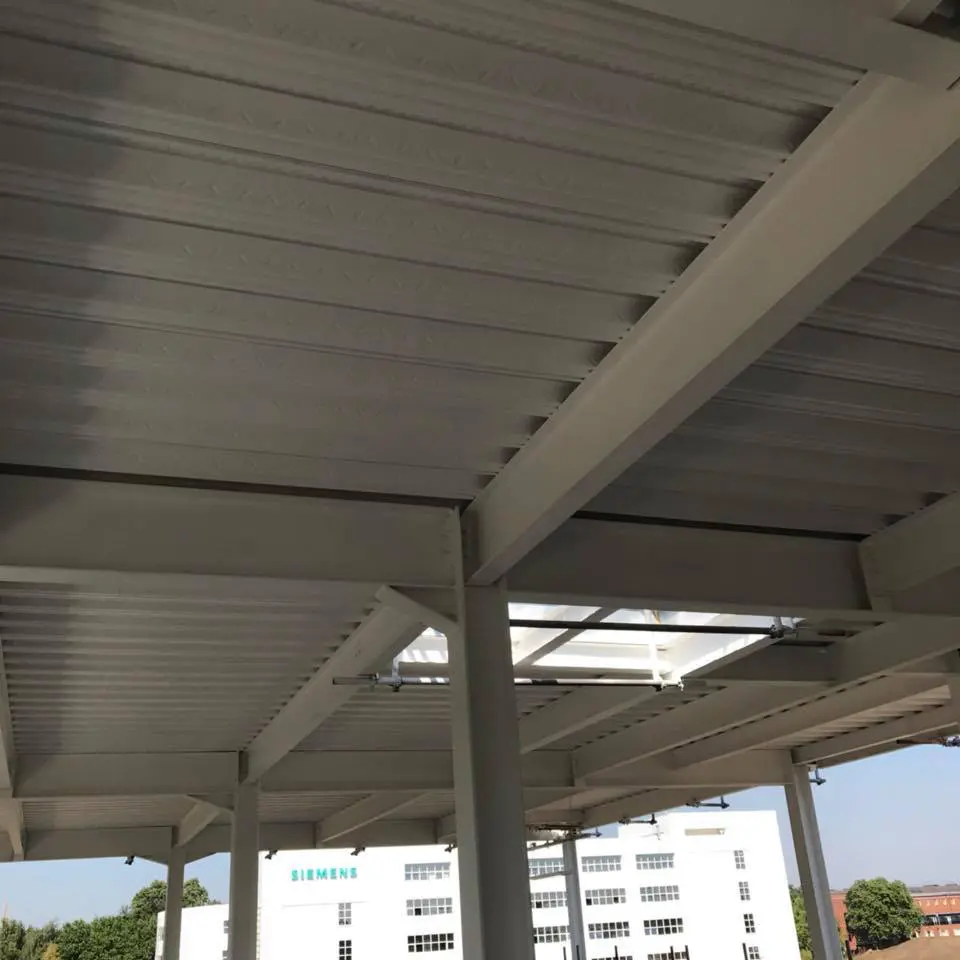
Intumescent coatings are fire-reactive protective coatings applied to structural steel and timber. Under normal conditions, they look and behave like conventional paint, but when exposed to heat, they expand significantly and form an insulating char layer on the surface.
This layer slows the transfer of heat to the steel beneath, keeping it below the critical temperature at which it loses structural integrity.
Unlike active systems such as sprinklers, passive fire protection, like intumescent coatings, requires no activation or intervention. Instead, it’s built into the building fabric and functions automatically in a fire.
How Intumescent Paint Protects Structural Steel
Steel begins to lose structural strength above 550 degrees Celsius. In an unprotected fire, steel can reach this temperature in minutes, causing structural members to deform and fail.
When heat reaches the coating, the intumescent system activates around 200 degrees Celsius. The coating expands to many times its original thickness, forming a char layer that insulates the steel and delays the critical temperature point.
And depending on the specification, intumescent coatings can provide 30, 60, 90, or 120 minutes of fire resistance.
The coating thickness required varies based on the section factor of the steel. Lighter sections need thicker coatings to achieve the same resistance period, for example. This is why specification and application by a competent contractor is a technical and safety requirement.
Fire Safety Regulations and Compliance
The key regulatory requirements for intumescent coatings in the UK are as follows.
The Building Regulations 2010 (Approved Document B) specifies minimum fire resistance periods for structural elements in commercial and industrial buildings. Intumescent coatings are an approved method of meeting these requirements.
The Regulatory Reform (Fire Safety) Order 2005 places a duty on the responsible person for a building to carry out and maintain a fire risk assessment. Where structural fire protection is a control measure, it must remain effective.
BS EN 13381-8 is the European test standard for intumescent coatings on structural steel. Products should be tested and certified to this standard.
The Building Safety Act 2022 has strengthened accountability for fire safety. It does this by placing greater responsibility on building owners and contractors to demonstrate compliance throughout a building’s lifecycle.
ACS Coatings provides full documentation on every project to support these compliance requirements.
Benefits for Commercial and Industrial Buildings
Aesthetics
Intumescent coatings are available in a wide range of colours and finish levels, colour-matched to specification. Our commercial paint spraying service can incorporate intumescent systems as part of a broader coating program.
Thin film application
Modern thin film systems achieve up to 120 minutes of fire resistance with modest dry film thicknesses. So, this protects the visual profile of structural steelwork.
No ongoing activation
As a passive fire protection system, intumescent coating requires only periodic inspection to confirm it remains intact.
New build and refurbishment
Intumescent coatings can be applied to new steelwork off-site or to existing structural members on-site. This makes them suitable for construction and refurbishment projects.
Corrosion protection
Many systems incorporate corrosion-inhibiting primers, which provide additional protection in industrial environments. If surface preparation is required, abrasive blasting and sandblasting services prepare steel to the profiles required for intumescent application.
Applications on Structural Steelwork
Intumescent coatings are applied to structural steelwork across a wide range of building types.
These include:
- Steel columns and beams in warehouses, distribution centres, and commercial buildings
- Portal frames in industrial and agricultural buildings
- Mezzanine floors and platforms in warehouses and retail environments
- Roof steelwork and purlins
- Steel staircases and escape route structures
- Exposed architectural steelwork in retail, leisure, and public buildings.
Projects range from straightforward applications in empty buildings to working around live operations, at height, and to tight programme constraints on active construction sites. At ACS Coatings, our team has the experience, accreditations, and access equipment to work safely across all of these environments.
Why Professional Application Matters
The fire resistance performance of an intumescent system depends on the specification, proper surface preparation, accurate application, and dry film thickness measurement. A system that looks okay but has been incorrectly applied will not deliver the specified fire resistance in a real fire event.
Specification requires knowledge of steel section sizes and section factors, too, the fire resistance period required for each structural element, and the dry film thickness required for each member based on certified product data. Surface preparation must also meet manufacturer requirements.
At ACS Coatings, our abrasive blasting and sandblasting service delivers the surface profiles required.
ACS Coatings operatives also hold CSCS cards and IPAF licences. In addition, every project is managed with full risk assessments, COSHH statements, and method statements. Dry film thickness is also verified and recorded throughout, providing the compliance evidence required by the responsible person for the building.
Working Alongside Other Services
Intumescent coating work is often coordinated with broader refurbishment programs. Our cladding spraying, on-site repair and replacement, roof coatings and cut-edge corrosion, and commercial waterproofing services, for example, can all be delivered alongside intumescent coating programs.
This reduces time on site and access costs for facilities managers and main contractors.
How ACS Coatings Can Help
With ACS Coatings, every project begins with a free site survey. Within which, we assess the steelwork, confirm specification requirements, and provide a clear fixed-price quotation with full compliance documentation.
We hold CHAS accreditation, Constructionline registration, CSCS certification, and IPAF qualification, and work across new build and refurbishment projects in commercial, industrial, and public sector environments throughout the UK.
To arrange a free site survey, contact our team on 0800 987 5886 or request a quote through our website.


