
Annual Roof Maintenance: A Commercial Roof Maintenance Checklist
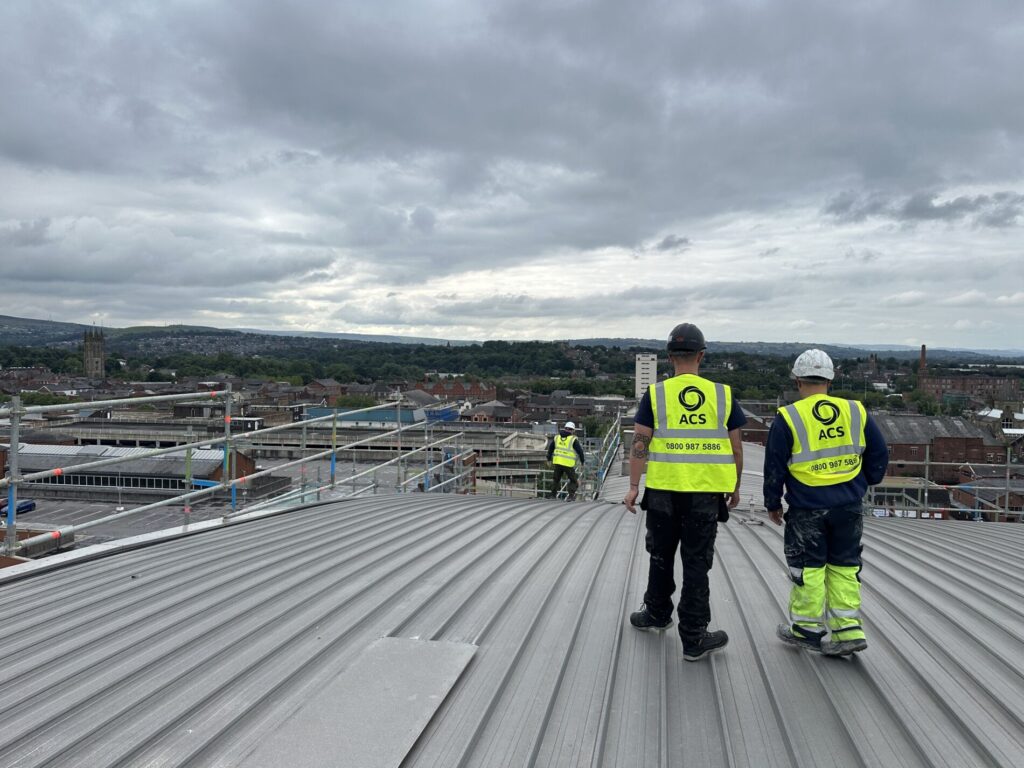
Commercial roof maintenance protects your building, extends its lifespan, and prevents expensive repairs. It also reduces long-term costs and protects the value of your building.
In this guide, we’ll provide a comprehensive commercial roof maintenance checklist for every season, including summer, spring, autumn, and winter. We’ll also cover documentation requirements and how to build an effective maintenance program that protects your commercial property year-round.
Spring Roof Inspection Checklist
Spring inspections assess winter damage and prepare roofs for increased rainfall. Schedule these checks between March and May, after freeze-thaw cycles have ended.
Check for Winter Damage
Winter weather stresses commercial roofs in ways that other seasons don’t. Inspect for cracked sealant around penetrations and upstands, loose or missing fixings from wind exposure, and ice damage to gutters and downpipes.
Document any damage with photographs and measurements. This creates a baseline for tracking deterioration over time and proves useful for insurance claims or warranty issues.
Clear Debris
Winter storms deposit leaves, branches, and debris on roof surfaces that block drainage and trap moisture. Remove all accumulated material from gutters, valleys, and flat roofs before spring rainfall begins.
Check for moss or algae growth while you’re up there, particularly in shaded areas. These hold moisture against surfaces and speed up deterioration in ways that aren’t immediately obvious.
Inspect Drainage Systems
Test all outlets and downpipes for blockages by pouring water into gutters. Check that water drains properly and doesn’t pool in areas where it shouldn’t.
Water should drain within 48 hours of rainfall, so look for ponding areas on flat roofs. Persistent ponding signals drainage problems that could cause membrane failure.
Assess Waterproofing Integrity
Examine membranes, coatings, and flashings for signs of breakdown. Look for blistering or bubbling on flat roof membranes, cracking or peeling on coated surfaces, and gaps where flashings meet walls or penetrations.
Test the sealant by pressing firmly. It should stay flexible rather than turn hard or crumbly, which signals that replacement is overdue.
Summer Inspection Roof Maintenance Checklist
Summer inspections focus on UV damage and the effects of thermal expansion. Schedule these between June and August when roofs are dry and accessible.
UV and Heat Damage Assessment
Prolonged sun exposure degrades roofing materials in ways that winter weather doesn’t. Check for faded or chalky coating surfaces, brittle sealant around penetrations, and warped or distorted panels on metal roofs.
UV damage speeds up material ageing, but catching it early allows protective coating application before substrate damage occurs. It also costs far less than dealing with failed substrates.
Access and Safety Equipment Review
Check that roof access hatches work correctly, safety barriers stay secure, and walkways show no deterioration that could create hazards. Test ladder fixings and confirm that warning signage remains visible and legible for anyone accessing the roof.
Autumn Inspection Checklist
Autumn inspections prepare roofs for winter weather. Schedule yours between September and November before heavy rainfall begins.
Pre-Winter Drainage Clearance
Autumn leaf fall blocks gutters and outlets, sometimes within days of major storms. Clear all systems thoroughly before winter rainfall arrives and overwhelms blocked systems.
Consider installing gutter guards in areas prone to heavy leaf accumulation, too. These reduce maintenance frequency and prevent overflow during storms when you can’t access the roof safely.
Sealant and Weatherproofing Renewal
Cold, wet conditions make sealant application difficult and affect how well it cures, so replace failed sealant before winter arrives. Focus on high-risk areas where water naturally sits.
Structural Preparation
Check whether your roof can handle winter snow by looking for previous sagging, corroded supports, or areas where ponding water might freeze and expand. These weak points often fail when snow arrives.
Emergency Readiness
Confirm emergency repair procedures are documented, and that contact details for your commercial roof maintenance company remain current. You don’t want to be searching for contractor numbers during a winter storm.
Stock essential materials for quick leak repairs, such as emergency sealant, tarpaulins, and temporary fixings. Having these on hand prevents small issues from becoming major water ingress events.
Winter Inspection Checklist
Winter inspections focus on ice damage prevention and leak detection. Schedule safe-access checks during dry periods between December and February.
Ice and Snow Monitoring
Monitor snow accumulation on flat roofs throughout winter, not just after major snowfall, and check that gutters stay clear of ice buildup. Frozen gutters cause water backup onto roof surfaces, which then freezes and expands, causing damage that only shows up in warmer months.
Internal Leak Detection
Winter rainfall reveals roof weaknesses that dry summer months hide. Inspect ceilings for water stains, damp patches, or dripping to see where water is penetrating the building envelope.
You should also check roof spaces for moisture penetration, condensation, and insulation saturation. These reduce thermal performance and increase heating costs when you need efficiency the most.
Post-Storm Damage Assessment
Schedule inspections after severe weather events rather than waiting for your next routine check. Look for wind-lifted panels or flashings, impact damage from debris, and blocked outlets from storm deposits.
Document storm damage immediately for insurance purposes and arrange urgent repairs to prevent further deterioration. Quick action often means the difference between a simple repair and a major insurance claim.
Documentation and Record Keeping
Effective commercial roof maintenance requires comprehensive documentation. So, maintain detailed records of all inspections, repairs, and costs.
Inspection Reports
Create standardised inspection forms covering all checklist items so nothing gets missed between different team members or contractors. Include photographs with dates and locations, measurements of deterioration or ponding, and recommendations for repairs or monitoring.
Store inspection reports in date order to create a maintenance history that tracks roof condition over time. This historical data proves invaluable when planning capital spending or disputing warranty claims.
Repair Records
Document all commercial roofing maintenance work in detail, including date completed, contractor details, materials used, warranty information, and costs. This proves maintenance compliance for warranty claims and insurance purposes when you need it most.
Commercial Roof Maintenance Plans
Structured maintenance plans deliver better outcomes than reactive approaches. They provide scheduled inspections, priority-based repairs, budget certainty, and extended roof lifespan.
Planned Preventive Maintenance (PPM)
PPM programs schedule inspections and routine maintenance at fixed intervals, which prevents small problems from escalating and reduces emergency callouts that disrupt operations.
Most commercial roof maintenance plans include quarterly inspections, bi-annual deep cleans, annual sealant checks and repairs, and five-yearly coating renewal or assessment. The exact frequency depends on your roof type and exposure.
A professional commercial roof maintenance company tailors work to your building’s specific requirements rather than applying a one-size-fits-all approach.
The Cost of Ignoring Maintenance
A roof that receives regular maintenance can last 30 to 40 years. Neglected roofs often need replacement within 15 to 20 years, sometimes even sooner in harsh environments.
So, skipping annual commercial roof maintenance creates a false economy that costs significantly more in the long run. Deferred maintenance leads to faster deterioration, emergency repair premiums, business disruption from leaks, and voided warranties and insurance coverage.
The commercial roof maintenance cost of annual inspections and minor repairs represents a fraction of premature replacement expenses, not to mention the business disruption that full replacement projects create.
How ACS Coatings Can Help
At ACS Coatings, we provide comprehensive commercial roof maintenance and repair services for industrial and commercial properties across the UK. We also work with facilities teams to develop tailored commercial roof maintenance plans that fit operational requirements and budget constraints.
Our maintenance programs include detailed condition surveys, seasonal inspection schedules, priority-based repair recommendations, fixed-price maintenance agreements, and emergency callouts. Our services cover all commercial roof types, including metal roofing and cladding, flat roofing systems, asbestos cement roofs, and skylights and glazing.
To discuss a commercial roof maintenance program for your property or portfolio, contact our team on 0800 987 5886 or request a quote through our website.


