PMMA Waterproofing Systems for Balconies, Walkways & Flat Roofs

PMMA waterproofing delivers seamless, long-lasting protection for balconies, walkways, access platforms, and flat roofs. This advanced liquid waterproofing system cures rapidly, creates watertight surfaces, and provides decades of reliable performance with minimal maintenance.

For commercial buildings, occupied residential properties, and high-traffic areas, PMMA roofing systems offer unmatched installation speed and durability. The technology transforms how we protect horizontal surfaces that need both waterproofing and regular pedestrian access.

This article will explain everything you need to know about the technology, and whether or not it’s right for you.

What Is PMMA Waterproofing?

PMMA stands for polymethyl methacrylate, a resin waterproofing system that cures through a chemical reaction rather than evaporation. This means that PMMA systems can be applied and fully cured within hours, even in cold or damp conditions.

The system consists of a liquid resin mixed with a catalyst on-site. Once applied, the chemical reaction begins immediately, transforming the liquid into a solid, flexible membrane that bonds permanently to the substrate.

Unlike traditional waterproofing materials that need days to cure, PMMA flat roof systems can often be walked on within one to two hours. This rapid curing makes PMMA ideal for buildings where extended access restrictions would cause problems.

How PMMA Systems Work

The application process creates a completely seamless waterproof surface with no joints, seams, or vulnerable points where water can penetrate.

This is how:

  • Surface preparation ensures the substrate is clean and sound
  • Primer application bonds the PMMA system to the substrate
  • The base coat provides the main waterproofing layer
  • Topcoat delivers UV protection
  • Aggregate broadcast (optional) creates a slip-resistant finish.

The entire system typically measures just 2-3mm thick, which means minimal weight addition and no significant build-up on existing surfaces. This thin profile also makes PMMA perfect for refurbishment projects where height restrictions matter.

Where to Use PMMA Waterproofing

Balconies and Terraces

Balcony waterproofing requires systems that handle foot traffic, furniture, and constant exposure to weather. PMMA balcony coating provides all of this and cures fast enough to minimise disruption.

For apartment buildings and hotels, the rapid installation means balconies can be waterproofed and returned to use within a single day. This dramatically reduces inconvenience compared to traditional systems that need days to cure.

The seamless finish also looks professional and clean. PMMA creates smooth surfaces in various colours, so the waterproofing enhances appearance rather than compromising aesthetics.

Walkways and Access Platforms

Walkway waterproofing on roofs and between buildings needs to combine waterproofing with safe pedestrian access. PMMA systems achieve both through durable, slip-resistant surfaces that protect the substrate below.

Access platforms for plant equipment, maintenance routes, and service areas can also benefit from PMMA’s rapid curing. Engineers and maintenance staff can return to normal access within hours rather than being restricted for days.

Podium Decks

Podium deck waterproofing presents unique challenges. These structures often sit above occupied spaces, which means leaks cause immediate problems. The loading from landscaping, paving, and public use also demands robust waterproofing.

PMMA systems handle these demands through superior adhesion and flexibility. The membrane accommodates structural movement, resists root penetration from planting, and maintains integrity under heavy loading.

Flat Roofs

Commercial flat roof waterproofing with PMMA offers an alternative to traditional felt or single-ply membranes. The liquid application provides perfect detailing around penetrations, outlets, and upstands that can cause problems with sheet materials.

Flat roof coating systems using PMMA also eliminate the weak points that sheet materials create at overlaps and seams. Every square metre receives the same continuous protection with no vulnerable joints.

5 Benefits of PMMA Roofing Systems

Rapid Curing Installation

Traditional waterproofing systems need favourable weather and long curing periods. PMMA cures in one to two hours regardless of temperature or humidity. This means work can progress in conditions that would stop other systems.

As a result, contractors can complete work faster, reducing labour costs and site time. Buildings return to normal use quickly, too, minimising disruption. In addition, weather windows are less important.

Seamless Waterproof Protection

The liquid application creates truly seamless systems with no joints or overlaps. Water has no weak points to exploit, which means superior long-term reliability compared to sheet materials.

Complex details around outlets, upstands, and penetrations get the same continuous protection as flat areas. The resin flows and bonds to create perfect waterproofing at every detail.

Long Lifespan

PMMA systems typically provide 25-30 years of protection when properly installed and maintained. The UV-stable topcoat resists degradation from sunlight, whilst the flexible base coat accommodates building movement without cracking.

This longevity makes PMMA cost-effective despite higher initial costs than some alternatives. The lifecycle cost often proves lower than cheaper systems that need replacement after 10-15 years.

Minimal Disruption

For occupied buildings, disruption during waterproofing work creates real problems. Residents can’t use balconies, businesses lose access to roof areas, and extended restrictions frustrate everyone.

PMMA’s rapid curing minimises these issues. A balcony can be waterproofed in the morning and used again that afternoon. This speed is invaluable for hotels, apartment buildings, offices, and any property where occupant access is important.

Temperature Tolerance

PMMA systems can be applied in temperatures as low as -5°C, which extends the working season considerably. Traditional systems often require temperatures above 5°C or 10°C and dry conditions, which limits when work can take place.

Installation Considerations

Professional installation means that PMMA waterproofing systems deliver their full performance potential. The rapid curing demands experienced application teams who understand mixing ratios, working times, and proper surface preparation.

Surface preparation is also critical despite PMMA’s excellent adhesion. Substrates must be structurally sound, clean, and properly prepared. The mixing and application process also requires precision. PMMA resin and catalyst must be mixed in exact proportions, then applied quickly before the working time expires. This demands skilled operatives and proper equipment.

Whether you need a balcony waterproofing system for a residential building, walkway waterproofing for a commercial property, or flat roof coating systems for an industrial facility, PMMA offers proven performance with minimal disruption.

At ACS Coatings, we’re specialist PMMA roofing contractors with extensive experience across balconies, walkways, podium decks, and flat roofs. As such, we’ve installed PMMA systems on hundreds of commercial and residential buildings throughout the UK.

Our team therefore understands which applications suit PMMA technology and when alternative systems might be more appropriate. We also provide honest assessments, detailed specifications, and professional installation that delivers long-term performance.

Contact ACS Coatings on 0800 987 5886 to discuss your PMMA waterproofing requirements, or request a free assessment and specification for your project.
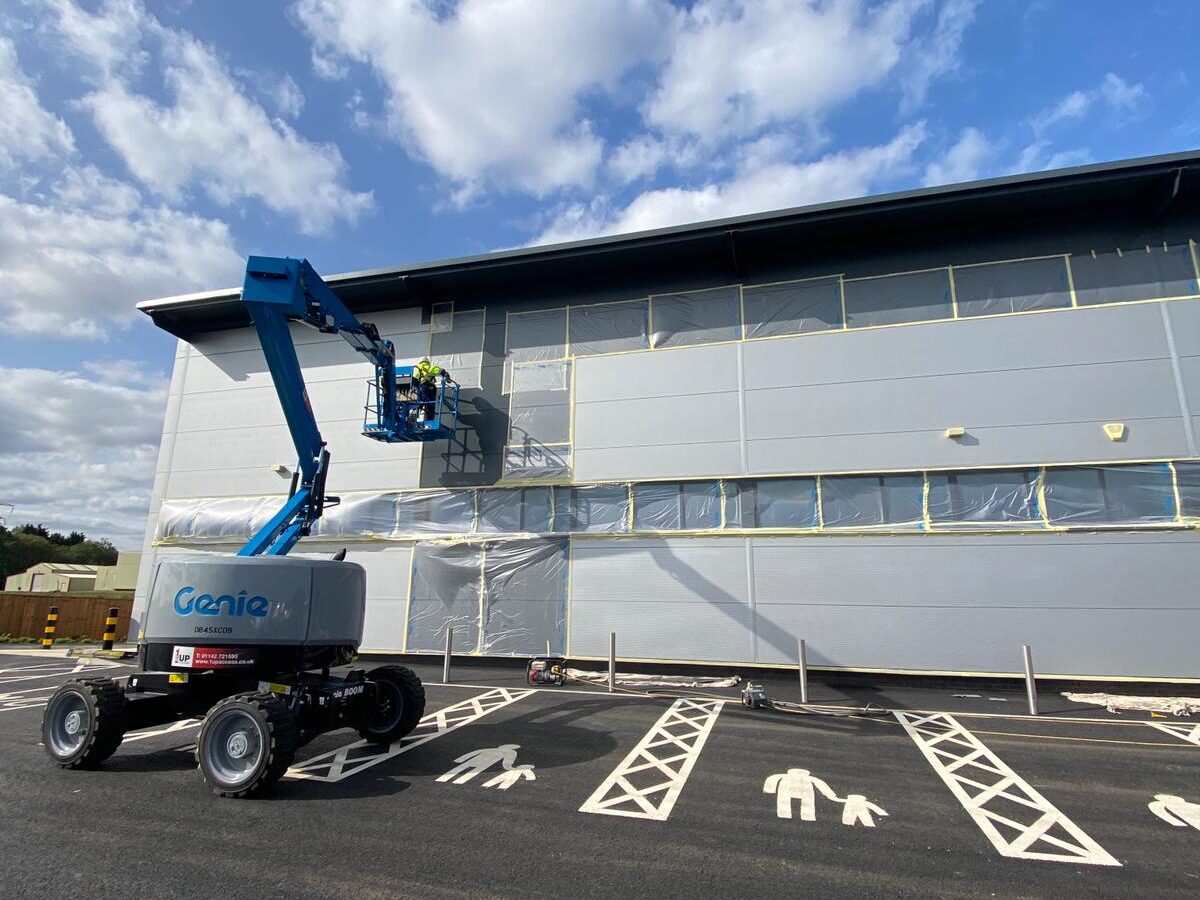
5 Signs Your Commercial or Industrial Building Needs Attention Before Spring

Winter weather can be incredibly harsh on commercial and industrial building exteriors. The combination of heavy rain, freezing temperatures, and wind-driven moisture often exposes vulnerabilities in a property’s envelope that go unnoticed in summer.

On top of this, by the time spring arrives, demand for building maintenance peaks, which often results in longer lead times and higher costs for clients. So, addressing these kinds of issues now is the most effective way to protect your asset and ensure your property remains structurally sound for longer.

Not sure if you need help in this department? Here are five clear signs that your building requires professional attention before the spring season begins.

1. Rust Staining and Cut Edge Corrosion

One of the most common signs of a failing building exterior is the appearance of rust staining. This often manifests as orange or brown streaks appearing beneath fixings, joints, or along the edges of metal cladding panels.

Initially, it may appear to be a cosmetic issue, but this kind of rust indicates that the protective coating has been breached. The result of this is that moisture is able to freely reach the steel substrate. If this is left untreated, it can develop into cut-edge corrosion, where the metal delaminates, and the panel begins to rot from the edge inwards.

Early intervention through professional coatings can stop this process and prevent the need for expensive full-panel replacement.

2. Internal Leaks and Water Ingress

Winter freeze-thaw cycles often cause building materials to expand and contract, which can crack old coatings or loosen fastenings. Primary indicators of these kinds of issues are drips or damp patches on internal walls and ceilings. Either of these could be warnings that your roof or wall system has failed, and even a minor leak can lead to significant damage to stock, machinery, and internal structures.

That’s why investigating roof repairs at the first sign of dampness is essential. Often, a high-performance liquid roof coating can provide a seamless, waterproof barrier that solves the issue without the disruption of a full re-roof.

3. Fading and Peeling Coatings

The appearance of your building is the first thing stakeholders and tenants use to form an opinion. That’s why they need to be at the top of their game. However, if your cladding is fading, peeling, or has a chalky residue when touched, the original factory finish has reached the end of its lifespan.

Unfortunately, once the paint film fails, the cladding is no longer protected from UV rays and pollution. This can lead to untold issues both aesthetically and structurally.

Fortunately, on-site paint spraying is a highly efficient way to restore a large building’s aesthetic and protection. And by using cladding spray painting, you can not only refresh your brand image, but also add another 15 years of life to the panels.

4. Blocked or Overflowing Gutter Systems

Throughout autumn and winter, gutters and downpipes can easily become blocked. If you notice water cascading over the sides of the building during a downpour, the drainage system is failing. This is your sign to act.

This is because overflowing water doesn’t just stay on the outside; it often tracks into the building. Regular industrial building gutter repair and cleaning are therefore vital to prevent water from pooling on the roof, which is a leading cause of corrosion and leaks.

5. Damaged Fixings and Seams

The points where panels meet or are fastened to the frame are the most vulnerable areas of any industrial unit. Over time, washers can perish, and fixings can become loose, creating direct entry points for water. Visible gaps in the seams or loose fasteners should therefore never be ignored as they’re a clear sign of potentially serious issues.

Professional refinishers can perform targeted cladding repairs, including filling dents and scratches and resealing fasteners. This can make sure that the building remains airtight and watertight before the heavier spring rains arrive.

Why Act Before the Spring Rush?

Spring is traditionally one of the busiest times for industrial painting contractors. Business budgets are released, the weather improves, and the result is that lead times for reputable contractors can extend to several months.

However, by addressing maintenance earlier and beating the rush, you can reduce costs because small repairs are significantly cheaper than reactive emergency work. You can also avoid disruption by scheduling work during quieter periods to minimise impact on business operations.

Most importantly, acting now allows you to secure your site survey and project start date before the peak season begins.

At ACS Coatings, we provide a comprehensive range of services to extend the life of your commercial property. From cladding repair and on-site spraying to industrial roof refurbishment, our team delivers professional results with minimal downtime for businesses all over the UK.

And from property managers to landlords, we work with you to identify early signs of wear and provide cost-effective solutions that protect your investment.

Contact ACS Coatings today to schedule a site inspection and beat the spring lead times.

Winter Cladding Issues That Cost Building Owners Thousands (And How to Fix Them)

Winter weather is much more than an inconvenience if you own a commercial or industrial building. It exposes weaknesses in your external cladding and can turn minor issues into expensive problems that cost thousands to fix and take valuable time away from business operations.

The good news? Most winter cladding problems are preventable if they’re caught early and acted on. Here’s what to look for and how to fix it before it costs you serious money.

Cut-edge Corrosion

Cut-edge corrosion is one of the most common and costly winter cladding issues in the UK. It happens when cladding panels are cut during installation, and the protective coating at the edges gets exposed. Cold, wet weather accelerates rust formation at these vulnerable points, and once it starts, it can spread very quickly.

Before you know it, what begins as a small rust spot in autumn can spread several metres along the panel edge by spring. This happens because the rust works its way under the coating, causing blistering and delamination that extends far beyond the original damage. Left unchecked, you’re looking at full panel replacement rather than a simple repair.

Professional cut-edge corrosion treatment involves cleaning affected areas, removing active corrosion, and applying protective coating systems. This approach costs a fraction of panel replacement and can extend your cladding’s lifespan by 15 years or more.

Water Ingress Behind Panels

Winter rainfall finds its way into the smallest gaps. As such, damaged sealants, loose fasteners, and compromised panel joints all provide entry points for water during persistent rain. And unfortunately, once water gets behind your cladding panels, it becomes trapped against the building structure.

In winter, this is more of an issue because drying times can be slow. So, moisture stays in contact with metal components and insulation for weeks at a time, which causes rust on the reverse side of panels and damages insulation performance. This often leads to internal water damage that’s far more expensive to fix than the original cladding issue.

Early warning signs include staining on internal walls, damp patches during heavy rain, and visible water trails on the exterior. If you’re seeing any of these, on-site repairs should be your priority. Fixing water ingress early prevents structural damage and avoids the need for full panel replacement.

Fading and Failing Coatings

UV exposure during summer weakens cladding coatings, but winter weather often finishes the job. Rain penetrates tiny cracks in older coatings, frost causes expansion, and the cycle repeats until large sections start peeling away.

That’s why faded coatings aren’t just an aesthetic problem. Once the protective layer fails, the substrate beneath becomes vulnerable to corrosion and water damage. From here, what starts as discolouration can become a structural, expensive issue.

Cladding spraying addresses this before replacement becomes necessary. Professional spray coating restores the protective barrier and refreshes your building’s appearance at up to 80% less cost than panel replacement. Modern coating systems also offer superior UV and weather resistance compared to original finishes, providing better long-term protection.

Blocked Gutters and Drainage

Winter leaves, debris, and standing water in blocked gutters cause overflow that runs directly down cladding panels. This constant exposure accelerates all the problems mentioned above, particularly around fixing points and panel joints.

Blocked drainage also increases the load on gutter systems, causing sagging and joint failures that lead to more serious water ingress issues. Regular gutter maintenance and replacement prevent these cascading problems and protect your cladding investment.

Rust Staining and Surface Contamination

Rust staining appears on cladding for two reasons:

  1. Corrosion from the panels themselves.
  2. Rust run-off from other building elements like fixings, flashings, and adjacent metalwork.

Winter rain spreads these stains across large areas, which makes them highly visible and difficult to remove without professional help.

Surface contamination from algae, moss, and atmospheric pollution also becomes more apparent in winter. These hold moisture against the cladding surface, accelerating deterioration and creating an unprofessional appearance that affects your property’s value.

Commercial pressure washing removes surface contamination and prepares cladding for protective treatments. Combined with rust treatment and protective coatings, it can effectively restore appearance while preventing future damage.

How On-Site Spraying Prevents Replacement

Many building owners assume that weathered or damaged cladding means replacement is inevitable. That’s rarely true. Because on-site paint spraying can restore cladding to better-than-new condition at a fraction of replacement cost.

The process involves thorough cleaning, surface preparation, repair of any damage, and application of high-performance coating systems. These modern coatings bond with existing panels to create a protective barrier that resists UV damage, prevents water ingress, and stops corrosion before it starts.

Professional cladding spraying also avoids the disruption and downtime associated with replacement. Most buildings remain operational throughout the work, with projects completed in weeks rather than months.

So, for businesses that can’t afford extended closures, spraying becomes the obvious choice.

Why Act Now

Warmer months bring longer lead times for maintenance work as every property owner tries to address winter damage at once. Contractors get booked up, costs increase, and you’re left waiting for availability while problems continue to get worse.

As a result, addressing cladding issues earlier means you avoid the busy period, get better contractor availability, and prevent minor problems from becoming major expenses. It also means your building looks its best when the weather improves, and business activity picks up.

Don’t wait for small issues to become expensive problems. A professional cladding inspection identifies vulnerabilities before they cause serious damage and gives you a clear plan for cost-effective maintenance.

At ACS Coatings, we provide free winter cladding inspections for commercial and industrial properties. Our experienced team will assess your building, identify any issues, and recommend the most cost-effective solutions to protect your investment.

Get a quote or contact ACS Coatings on 0800 987 5886 to beat the spring lead times.

How to Prevent Commercial Water Damage in Commercial Properties

Commercial water damage is one of the most expensive issues a commercial property owner can face due to the installation costs and downtime required to fix it. 

Caused by anything from blocked gutters to poorly designed roof draining systems, as well as simple issues like cracked coating panels on your building’s exterior. The result could be water ingress that leads to serious complications as well as complaints from tenants and operational downtime.

The best way to prevent commercial water damage is through a mix of regular inspections, proactive repair work, and proper surface protection, as well as better drainage. 

In this article, we’ll break down the different types of commercial water damage you might encounter, the common causes, and how to prevent issues before they cause issues. We’ll also explain how we can support you with commercial water damage cleanup and long-term prevention.

Are There Different Types of Commercial Water Damage?

Yes, there are three main types of commercial water damage:

  1. Surface-level damage usually shows itself as peeling or bubbling paint, or stains. This damage is usually caused by blocked gutters or pooled water on your roof.
  2. Penetrative damage is more dangerous and happens when water enters through cracks, failed sealant, or loose fittings. It’s expensive to repair and can result in damp, rot, and corrosion.
  3. Structural water damage is the most serious of them all and can weaken joints, rust structural beams and support, and lead to collapse.

If you manage or own a commercial property, you should know that visible damage is usually just the tip of the iceberg and hides much more serious issues beneath. Moisture can spread through building materials, for example, and result in expensive repairs down the line, so proactive repairs are always worth it.

What Are the Main Causes of Commercial Water Damage?

Blocked Gutters and Pipes

One of the most common causes of commercial water damage is blocked industrial roof guttering. Debris like leaves build up over time, prevent drainage, and lead to wall damage, all of which is avoidable. 

Our gutter repair and maintenance services help remove this dangerous risk before it becomes a serious problem for your business.

Damaged or Badly Installed Cladding

Cracks in cladding panels and failed seals are common entry points for unwanted water in commercial premises. Over time, this can result in rot, rust, and leaks, which no business owner wants. 

Our cladding repair and spraying services fix and protect your surfaces before the damage spreads and causes major issues.

Roof Drainage Problems

Standing water on shallow-pitched or flat roofs is a huge risk for older buildings in the UK. Why? Because it speeds up surface wear and leaks which can be time-consuming and expensive to fix. 

At ACS Coatings, our knowledgeable, experienced team carries out roof inspections and coatings to ensure water is dealt with as efficiently as possible.

Inadequate Materials and Outdated Installations

Older properties are the most at risk for this one and often suffer from weakened paint, failed seals, and inefficient guttering that can’t cope with modern commercial usage. 

At ACS Coatings, we can modernise your most at-risk areas using high-performance coatings built for longevity.

Poor Maintenance

Ignoring proper inspections or delaying the most minor fixes can result in major repair costs later. This is true for any commercial building issue but even more so when it comes to water damage. 

With ACS Coatings, you can schedule ongoing maintenance plans tailored to your building type and we guarantee that no issue is ignored. 

How to Prevent Water Damage

Carry Out Regular Inspections

Regular inspections go a long way to preventing water damage in commercial or industrial premises. 

This is usually a simple case of an expert walking around a property and checking for obvious signs of deterioration or wear. Examples of this can include peeling paint, rusted surfaces, water marks, and spillages outside of gutter systems. 

These simple but effective regular checks can help you identify issues before they evolve into something bigger.

Maintain Roof Guttering 

Don’t wait for a storm to reveal a blocked or leaking gutter in your premises. This is an all-too-common issue in the UK, where people assume that repairs are only needed when they see similar cases on the news. 

At ACS Coatings, our industrial roof guttering team regularly inspects, clears, and re-aligns your gutters so you can avoid water ingress and expensive, time-consuming damage.

Invest in Cladding Repair and Protection

Damaged or tired-looking cladding isn’t just a cosmetic issue, and it can result in water ingress and cause untold issues inside your premises, from damp to mould, stains, and more. 

Our professional cladding spraying services effectively seal any exterior panels with durable, effective coatings. These work hard to protect your exterior and interior against adverse weather and pollutants found in the British climate.

Use High-Performing Waterproof Coatings

Moisture can penetrate a commercial or industrial building from many different places like joints and edges. Professional installed and durable coating systems can give you added protection and reduce long-term maintenance requirements. 

At ACS Coatings, we only use commercial-grade products designed for the UK’s weather conditions, as well as the bespoke requirements of your property.

Follow a Maintenance Plan

Don’t rely on reactive fixes when it comes to commercial water damage cleanup and prevention. 

Instead, choose an expert like ACS Coatings, who can help you build a property maintenance plan that includes regular checks and targeted repairs. This means you can always stay ahead of issues and remain compliant with insurance and lease requirements.

Don’t Leave it Too Late

If you notice staining, musty smells, or flaked paint, it’s important to act fast and get in touch with the experts at ACS Coatings as soon as you can. 

Early detection is essential to reduce structural harm and business disruption, and after carrying out any work, we can set you a maintenance plan to prevent issues from reoccurring and damaging your business. 

At ACS Coatings, we prevent and treat commercial water damage for commercial and industrial property owners across the UK. From water damage cleanup to roof and cladding protection, we’ve got you covered with a comprehensive service built around your requirements.

Whether you’re dealing with blocked gutters, corroded cladding, or poor drainage, we can identify the issue and recommend the right fix, carrying out all necessary works with minimal disruption to your business. 

From fixing visible issues to future-proofing your building with protective coatings, sealants, and maintenance, we remove the expense and effort of complete overhauls and costly repairs. Ready to stop water damage before it ruins your property? Speak to ACS Coatings today for a site assessment and no-obligation quote.