9 Signs Your Building Needs Commercial Roof Repairs

Your commercial roof safeguards your business stock, your equipment, and the people who work in your building every day.

Fortunately, rather than failing overnight, commercial roofs give plenty of warning signs if you know what to look for. And spotting these early indicators can be the difference between a simple repair and an expensive replacement that disrupts your entire operation.

In this guide, we’ll walk through 9 early warning signs that indicate your commercial roof needs professional attention. We’ll also explain what each sign means, why acting early matters, and how to protect your building before minor issues become major problems.
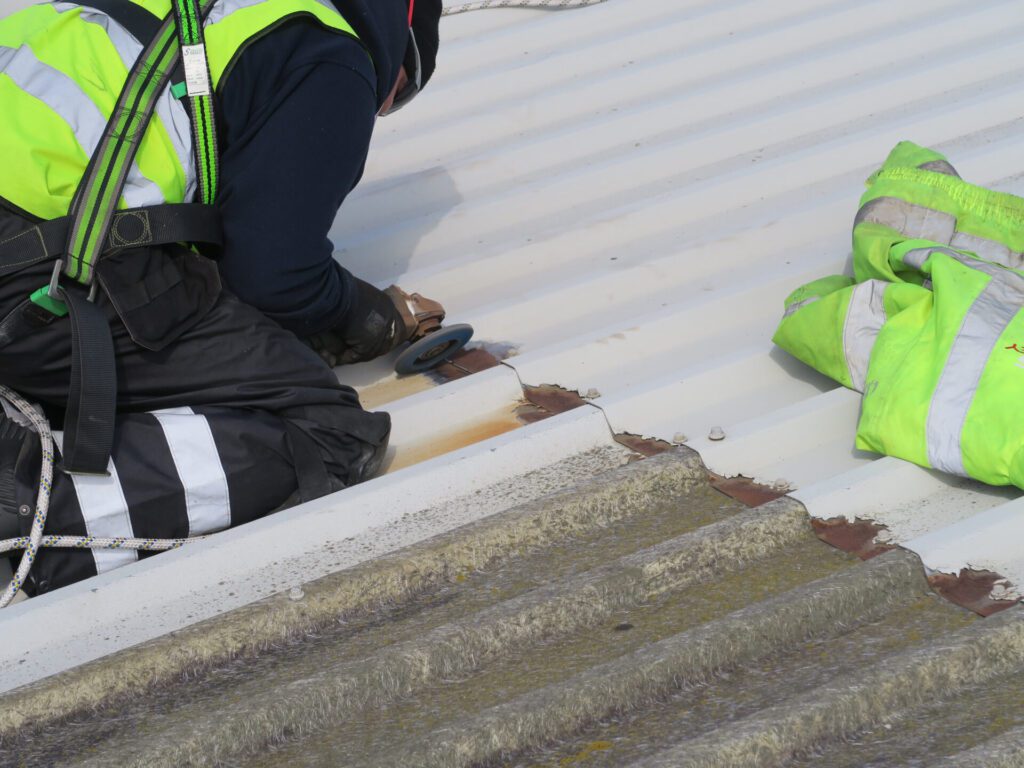
    Rust stains on metal roofing or cladding panels signal that corrosion has started. These brown or orange streaks most commonly appear along panel edges where metal sheets were cut for installation.

    This specific issue is called cut-edge corrosion. When panels are cut, the protective coating at the edges becomes exposed, leaving bare steel vulnerable to moisture and oxygen. Rust forms quickly, often within months, and spreads along the entire cut edge if left untreated.

    Rather than stopping at the edges, this rust lifts the coating from the substrate and allows water to penetrate deeper into the panel structure. Over time, this creates perforation, where holes develop along panel edges and allow direct water ingress into the building.

    You might also notice surface discolouration that indicates moisture penetration beneath the coating. This shows up as darker patches, chalky residue, or uneven fading across the roof surface.

    If you spot rust stains or cut-edge corrosion during routine inspections, you need to repair commercial roof sections before damage spreads. Early intervention with targeted commercial roofing repairs extends your roof’s service life significantly.

    Flat roofs should drain within 48 hours of rainfall. If water remains on the surface beyond this timeframe, you’ve got a drainage problem.

    Ponding water accelerates roof deterioration because it places constant stress on waterproofing membranes, seams, and substrates. Over time, this leads to membrane breakdown, increased leak risk, and structural concerns.

    Common causes of this include blocked outlets, sagging roof sections, inadequate falls, and settlement in the building structure. A professional commercial flat roof repair assessment identifies the root cause rather than just treating the symptoms.

    Fixings secure roofing panels to the structure, so when they loosen or pull through, panels become vulnerable to wind and water ingress. Missing caps on fixings expose the fastener to moisture, creating a direct pathway for water to enter the building and causing corrosion.

    Thermal expansion and contraction also contribute to fixing failure over time. Panels expand in heat and contract in cold, gradually working fixings loose through constant movement.

    If you notice loose or missing fixings during inspections, commercial building roof repair specialists can replace them before wind damage or leaks occur. This is one of the simpler fixes, but only if you catch it early.

    When sealant cracks, shrinks, or pulls away from roof surfaces, it no longer provides effective protection against the elements.

    UV exposure, thermal movement, and age all cause sealant degradation. Most commercial sealants have a service life of 5 to 10 years before replacement becomes necessary, but harsh conditions can shorten this considerably.

    Failed sealant allows water to penetrate behind flashings, into insulation, and through ceiling spaces. This often goes unnoticed until internal damage becomes visible, by which point the repair bill has already multiplied.

    Professional commercial roofing repair services mean assessing sealant condition and replacing failing sections before leaks develop.

    Water stains on internal ceilings indicate active or historical leaks. These brown or yellow marks show where water has penetrated the roof and ceiling materials, even if everything looks dry.

    And even if the stain appears dry, it confirms that water has entered the building at some point. The source could be an intermittent leak that only occurs during heavy rainfall or specific wind conditions, making it harder to trace without professional help.

    Internal stains also suggest that insulation may be saturated. Wet insulation loses thermal performance and can harbour mould growth, creating health concerns and increasing energy costs.

    If you spot water stains, arrange an urgent commercial roof leak repair inspection. Identifying and repairing the source prevents further internal damage and protects building occupants from potential health risks.

    Blisters on flat roofing membranes indicate trapped moisture or air beneath the surface. These raised areas weaken the membrane and create points where splits and leaks can develop over time.

    Blistering occurs when moisture in the substrate evaporates and becomes trapped under the waterproofing layer. This happens more frequently on poorly ventilated roofs or where membranes have been installed over damp substrates.

    Small blisters might not leak immediately, but they compromise membrane integrity. As they expand and contract with temperature changes, they eventually split, allowing direct water penetration that damages everything beneath.

    Professional commercial roofing repairs address blistering by cutting out affected sections, drying the substrate properly, and installing new membrane patches. Early repair prevents widespread membrane failure that would require complete replacement.

    Sagging indicates serious structural problems. It shows that the roof decking, supporting beams, or the building structure has weakened or failed.

    Common causes include long-term water ingress, timber rot in older buildings, overloading from equipment or snow, and inadequate structural support during original construction. None of these issues resolve themselves.

    Sagging roofs can collapse without warning, particularly under additional load from snow, equipment, or maintenance personnel working on the surface.

    If you notice sagging sections, treat this as urgent. Arrange for an immediate structural assessment and keep the area clear until repairs are completed. This type of damage requires commercial building roof repair with structural expertise, not general contractors.

    Moss, algae, and vegetation growth on commercial roofs indicate persistent moisture retention. And while they don’t always cause immediate damage, they create conditions that accelerate deterioration across the roof system.

    Growth often concentrates in areas with poor drainage, shaded sections, or where debris has accumulated. It’s essentially a visible indicator that water isn’t draining effectively from those areas.

    Professional cleaning removes vegetation and identifies underlying drainage or waterproofing issues. Addressing both the growth and its cause prevents recurring problems rather than just clearing the surface temporarily.

    Rising heating or cooling costs can indicate roof problems that aren’t immediately visible from inside or outside. When insulation becomes saturated from leaks, it loses thermal performance, forcing HVAC systems to work harder to maintain comfortable temperatures.

    If energy bills increase without corresponding changes in usage or tariffs, inspect your roof for moisture damage or air leakage. Commercial metal roof repair specialists can identify thermal performance issues and recommend solutions that pay for themselves through reduced energy costs.

    When to Call for Professional Assessment

    Not every roof issue requires immediate emergency response, but all warning signs warrant professional assessment. Schedule an inspection when you notice any of the signs outlined in this guide.

    Professional commercial roofing repair specialists identify problems you might miss during routine checks. They assess structural integrity, identify leak sources, evaluate remaining service life, and recommend appropriate solutions based on your building’s specific condition.

    Early professional involvement means you make informed decisions about repairs, budgeting, and long-term asset management rather than reacting to emergencies.

    At ACS Coatings, we provide comprehensive commercial roof repairs and protective coating systems for industrial and commercial buildings across the UK. Our approach focuses on early problem identification, targeted repairs that address root causes, protective systems that prevent future deterioration, and minimal disruption to your business operations.

    Every project includes a full assessment before work begins. We also provide clear recommendations, fixed-price quotations, and guaranteed workmanship on all commercial roofing repairs we complete.

    To arrange a free roof condition survey and discuss your building’s specific requirements, contact our team on 0800 987 5886 or request a quote online.
    5 Signs Your Commercial Skylights Need Replacing

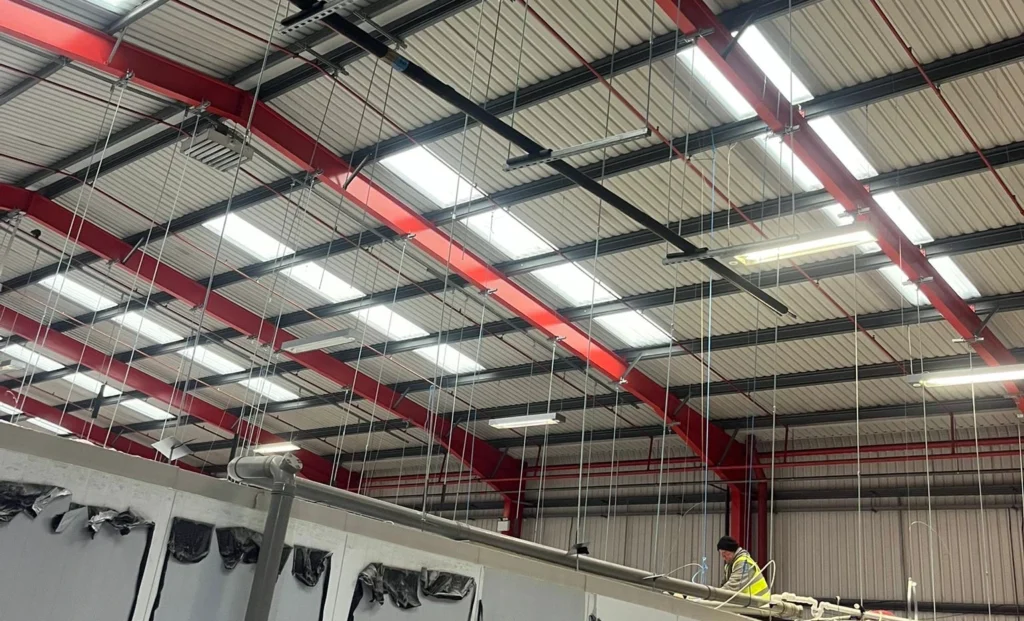
    Commercial skylights play a vital role in warehouses, factories, retail units, and industrial buildings across the UK. They provide natural light, reduce reliance on artificial alternatives, and help create a more productive internal environment.

    However, like any roofing component, skylights don’t last forever.

    If your building has ageing or damaged rooflights, delaying action can lead to leaks, safety concerns, and high energy costs. So, here are five clear signs your commercial skylight replacement may be overdue, and how you can get them seen to by a professional.


    1. Yellowing or Brittle Polycarbonate Roof Lights

    Many UK industrial buildings use polycarbonate roof lights because they’re lightweight and cost-effective. Over time, however, polycarbonate degrades under UV exposure.

    If your skylights have:

    • Turned yellow or cloudy
    • Lost their clarity
    • Become brittle or cracked.

    Then they are likely nearing the end of their service life.

    Degraded polycarbonate reduces light transmission significantly, which defeats the purpose of installing skylights in the first place. In severe cases, brittleness can also present safety risks, particularly on fragile roof systems.

    But don’t worry, because professional polycarbonate skylight replacement restores light levels while improving structural reliability.

    2. Internal Leaks and Water Ingress

    Leaks are one of the most common triggers for commercial skylight replacement enquiries in the UK.

    Water ingress around rooflights often occurs due to:

    • Perished seals
    • Failed flashings
    • Cracked skylight domes
    • Poor previous repairs.

    And while minor resealing can sometimes extend lifespan, repeated leaks usually indicate that the skylight unit itself has deteriorated.

    Ignoring leaks can lead to:

    • Damaged insulation
    • Internal staining
    • Mould growth
    • Disruption to operations.

    If repairs keep failing, full rooflight replacement is often the more cost-effective long-term solution.

    3. Reduced Natural Light Inside the Building

    Natural daylight is one of the key benefits of commercial rooflights. And if your building feels noticeably darker than it once did, ageing skylights may be the cause.

    Older polycarbonate roof lights can lose a substantial percentage of their light transmission over time due to:

    • UV degradation
    • Surface scratching
    • Embedded dirt in the material.

    Facilities managers often compensate for these issues by increasing artificial lighting, but this increases energy costs. A modern rooflight replacement UK solution restores optimal daylight levels, improving working conditions while reducing electricity usage.

    So, it’s the best of both worlds!

    4. Visible Cracks, Warping, or Structural Movement

    Temperature fluctuations in the UK, particularly freeze-thaw cycles, can cause expansion and contraction in skylight materials. Over time, this movement leads to:

    • Hairline cracks
    • Warped frames
    • Lifting edges
    • Loose fixings.

    Cracks in skylights may appear minor at first, but they weaken their structural integrity and increase the risk of sudden failure during high winds or heavy rainfall. For industrial and warehouse roofs, fragile skylights can also create safety hazards for maintenance teams.

    A professionally managed commercial skylight replacement guarantees compliance with current safety standards and improves long-term durability.

    5. Your Skylights Are Over 15–20 Years Old

    Most commercial polycarbonate skylights have a lifespan of approximately 15 to 20 years, depending on exposure and maintenance. So, if your rooflights are approaching or exceeding this age, even if no major issues are visible, proactive replacement may be advisable.

    This is important because older skylights like these are more likely to:

    • Fail under pressure
    • Leak unexpectedly
    • Underperform thermally
    • Contribute to building heat loss.

    Upgrading to modern systems during planned maintenance avoids emergency repairs and allows you to coordinate works efficiently. And for asset managers overseeing multiple sites, scheduled rooflight replacement UK programmes are often more economical than reactive call-outs.

    Why Replacing Commercial Skylights Early Makes Financial Sense

    Many property owners delay skylight replacement until visible failure occurs. However, proactive replacement offers several benefits, such as:

    Improved Energy Efficiency

    Modern polycarbonate and insulated rooflight systems provide better thermal performance than older units. This can reduce heat loss in winter and limit overheating in summer.

    Reduced Maintenance Costs

    New skylights eliminate the need for repeated sealing or patch repairs. Over time, this lowers maintenance expenditure.

    Improved Safety Compliance

    Fragile rooflights are a known safety risk in industrial buildings. Upgrading ageing units supports safer roof access and compliance with UK health and safety guidance.

    Better Working Environment

    Restored daylight levels improve internal conditions for staff and tenants, particularly in warehouses and manufacturing spaces.

    Repair or Full Polycarbonate Skylight Replacement?

    In some cases, resealing or minor repairs may extend lifespan. However, full polycarbonate skylight replacement is typically recommended when:

    • Cracking is widespread
    • UV degradation is advanced
    • Multiple leaks have occurred
    • Units are nearing the end of their expected life.

    An experienced commercial roofing specialist will inspect the roof structure, assess the surrounding flashings, and determine whether replacement or refurbishment is the best option.

    At ACS Coatings, we work with commercial landlords, facilities managers, and industrial property owners to deliver safe and efficient commercial skylight replacement solutions.

    Whether you require targeted polycarbonate roof lights replacement or a full rooflight replacement UK programme, our team delivers:

    • Detailed site inspections
    • Safe removal of ageing skylights
    • Installation of modern polycarbonate systems
    • Minimal disruption to your operations.

    So, if your skylights are leaking, discoloured, or simply past their best, now is the time to act before small issues escalate into costly repairs.

    Get in touch with ACS Coatings today to arrange an assessment and ensure your commercial rooflights continue performing as they should.

    What Are Commercial Skylight Benefits?

    Your commercial skylight is probably your pride and joy and something your staff and customers immediately notice when they enter your premises. 

    And rightfully so, because not only does a commercial skylight help you allow in masses of natural light without the energy consumption, but it creates a more relaxing, natural flow to an industrial or commercial space. This helps improve employee morale and make a great first impression with clients and investors.

    If you’re a commercial landlord or facilities manager, skylights are much more than aesthetic, too, and they also bring with them various practical benefits from property value to maintenance, and more. 

    So, whether you’re in charge of a warehouse, factory, or commercial space, this article will explore the benefits of a commercial skylight and how you can have one installed quickly and cheaper than you might imagine. 

    Read on to discover what you need to know about commercial skylight benefits, and why installing one in your business premises could be a game changer for your organisation.

    The 5 Main Commercial Skylight Benefits

    Create Natural Light

    Obviously, a commercial skylight brings with it much more light than a regular commercial roof. 

    A commercial skylight also allows a more even spread of light, particularly in tall or wider buildings where windows don’t quite cut the mustard. Modern skylights are also constructed with glazing with great insulation qualities, so you won’t have to deal with sun glare or loss of heat in your premises.

    This is crucial for British commercial spaces and those who don’t want to sacrifice wall space or energy costs for superb internal lighting. 

    Save Money and Reduce Energy Consumption

    Artificial lighting in commercial or industrial environments is difficult to get right. It also puts a big dent in your energy costs, particularly in larger premises with long working hours.

    Cutting down on your artificial lighting therefore presents cost and energy saving opportunities that soon add up for any organisation. So, as well as doing your bit for the planet, you’ll save money and spend less on maintaining and repairing lighting systems when you choose commercial skylights. 

    Create a Better Working Area

    Staff and customers love a bit of natural light, and it’s a great way to lift the mood in factories and warehouses. Not only can it go a long way to improving mood, but it can reduce fatigue and bring a feeling of openness to any space. This is great for attracting new tenants if old ones are ending their agreements, as well as potential investors.

    Boost Property Value

    Of course, it takes more than a commercial skylight to vastly improve your building’s value. However, thanks to the energy savings and benefits we’ve touched on, it’s a fantastic upgrade that can seriously move the needle. 

    Why? Because it shows your commitment to investing in your building which is something tenants and investors love, and the fact that you can boost performance aesthetics makes it a bit of a no-brainer. 

    Better Ventilation

    Many skylights can open manually or automatically and provide an effective way to ventilate your commercial or industrial space. This is great in warmer buildings or those that can trap moisture and stale air due to the work being carried out. 

    This improved airflow brings with it countless benefits for your business, from less condensation to fewer complaints, and a lower risk of damp overall. 

    In production or storage environments, it can also control temperature without relying solely on HVAC systems, helping you naturally improve your premises without huge costs.

    How Are Skylights Maintained?

    While skylights in commercial environments are typically low maintenance compared to other aspects of these kinds of buildings, they do still need taking care of. If not, small issues can lead to huge knock-on effects from leaks to drafts and more.

    To prevent these issues from happening in the first place, site checks are required on a regular basis, usually twice a year. Within these checks, look out for signs of moss or pooling water on your skylights external surfaces and clean the surfaces to maximise the light allowed into your space. These steps are easy to overlook but can save you a fortune down the line.

    You should also check the integrity of joints and the surrounding roof areas which are common entry points for leaks. Also check for damaged panels and cracks, worn seals, or rust. 

    At ACS Coatings, we provide skylight maintenance as part of our comprehensive commercial and industrial roofing services. From resealing to recoating, and even replacing older units entirely, we can help you extend the longevity of both your commercial skylight and the roof area.

    Because while they may look great, it’s important to treat your skylight as a core building component that can become weakened and cause serious issues. Maintenance helps prevent this and give you an effective, reliable alternative to traditional ceilings and artificial light in your commercial space.

    What to Look for in a Skylight Installer

    Skylights are complex installations in commercial spaces and doing it badly can mean leaks, heat loss, or long-term roof issues. That’s why choosing the most experienced, professional team of installers is crucial, so you can protect your building as well as install effective and efficient skylights in your premises.

    Ideally, you should choose installers with industrial and commercial experience who have a strong track record of completing this kind of work. As well as providing installation expertise, they should be able to advise you on ventilation and other aspects of maintenance. 

    At ACS Coatings, we have experience installing commercial skylights in retail units, warehouses, and factories to name a few. We also offer skylight maintenance and proactive cleaning so you can keep your skylight in tip-top shape for longer.

    We work with commercial landlords, site managers, and industrial building owners across the UK with skylight installation and repairs. Operating with professionalism and confidence and with minimal disruption to your business, we carry out detailed inspections and ensure your skylights are properly maintained.

    Using only the most durable materials and most effective techniques, our team can advise on how your skylight fits into a broader maintenance plan, including wider roof refurbishments. 

    If you’re not sure what condition your existing skylight is in, or if you’ve been dealing with recurring smaller issues, we’re happy to take a look and establish any issues that could be resolved. You can check out our case studies to see how we’ve helped other commercial sites upgrade their roof systems and reduce maintenance issues.

    Get in touch with ACS Coatings today to speak to discover how we can help you boost your commercial building.