
9 Signs Your Building Needs Commercial Roof Repairs
Your commercial roof safeguards your business stock, your equipment, and the people who work in your building every day.
Fortunately, rather than failing overnight, commercial roofs give plenty of warning signs if you know what to look for. And spotting these early indicators can be the difference between a simple repair and an expensive replacement that disrupts your entire operation.
In this guide, we’ll walk through 9 early warning signs that indicate your commercial roof needs professional attention. We’ll also explain what each sign means, why acting early matters, and how to protect your building before minor issues become major problems.
Visible Rust Stains and Cut Edge Corrosion
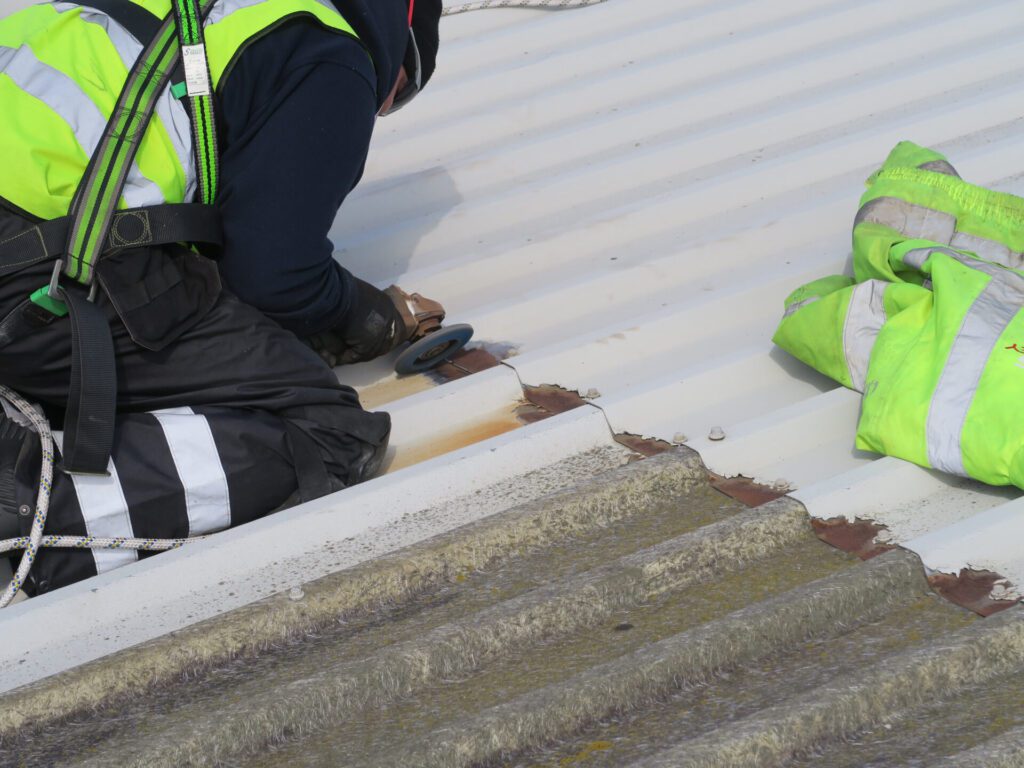
Rust stains on metal roofing or cladding panels signal that corrosion has started. These brown or orange streaks most commonly appear along panel edges where metal sheets were cut for installation.
This specific issue is called cut-edge corrosion. When panels are cut, the protective coating at the edges becomes exposed, leaving bare steel vulnerable to moisture and oxygen. Rust forms quickly, often within months, and spreads along the entire cut edge if left untreated.
Rather than stopping at the edges, this rust lifts the coating from the substrate and allows water to penetrate deeper into the panel structure. Over time, this creates perforation, where holes develop along panel edges and allow direct water ingress into the building.
You might also notice surface discolouration that indicates moisture penetration beneath the coating. This shows up as darker patches, chalky residue, or uneven fading across the roof surface.
If you spot rust stains or cut-edge corrosion during routine inspections, you need to repair commercial roof sections before damage spreads. Early intervention with targeted commercial roofing repairs extends your roof’s service life significantly.
Ponding Water After Rainfall
Flat roofs should drain within 48 hours of rainfall. If water remains on the surface beyond this timeframe, you’ve got a drainage problem.
Ponding water accelerates roof deterioration because it places constant stress on waterproofing membranes, seams, and substrates. Over time, this leads to membrane breakdown, increased leak risk, and structural concerns.
Common causes of this include blocked outlets, sagging roof sections, inadequate falls, and settlement in the building structure. A professional commercial flat roof repair assessment identifies the root cause rather than just treating the symptoms.
Loose or Missing Fixings
Fixings secure roofing panels to the structure, so when they loosen or pull through, panels become vulnerable to wind and water ingress. Missing caps on fixings expose the fastener to moisture, creating a direct pathway for water to enter the building and causing corrosion.
Thermal expansion and contraction also contribute to fixing failure over time. Panels expand in heat and contract in cold, gradually working fixings loose through constant movement.
If you notice loose or missing fixings during inspections, commercial building roof repair specialists can replace them before wind damage or leaks occur. This is one of the simpler fixes, but only if you catch it early.
Cracked or Deteriorating Sealant
When sealant cracks, shrinks, or pulls away from roof surfaces, it no longer provides effective protection against the elements.
UV exposure, thermal movement, and age all cause sealant degradation. Most commercial sealants have a service life of 5 to 10 years before replacement becomes necessary, but harsh conditions can shorten this considerably.
Failed sealant allows water to penetrate behind flashings, into insulation, and through ceiling spaces. This often goes unnoticed until internal damage becomes visible, by which point the repair bill has already multiplied.
Professional commercial roofing repair services mean assessing sealant condition and replacing failing sections before leaks develop.
Internal Water Stains on Ceilings
Water stains on internal ceilings indicate active or historical leaks. These brown or yellow marks show where water has penetrated the roof and ceiling materials, even if everything looks dry.
And even if the stain appears dry, it confirms that water has entered the building at some point. The source could be an intermittent leak that only occurs during heavy rainfall or specific wind conditions, making it harder to trace without professional help.
Internal stains also suggest that insulation may be saturated. Wet insulation loses thermal performance and can harbour mould growth, creating health concerns and increasing energy costs.
If you spot water stains, arrange an urgent commercial roof leak repair inspection. Identifying and repairing the source prevents further internal damage and protects building occupants from potential health risks.
Blistering or Bubbling on Flat Roofs
Blisters on flat roofing membranes indicate trapped moisture or air beneath the surface. These raised areas weaken the membrane and create points where splits and leaks can develop over time.
Blistering occurs when moisture in the substrate evaporates and becomes trapped under the waterproofing layer. This happens more frequently on poorly ventilated roofs or where membranes have been installed over damp substrates.
Small blisters might not leak immediately, but they compromise membrane integrity. As they expand and contract with temperature changes, they eventually split, allowing direct water penetration that damages everything beneath.
Professional commercial roofing repairs address blistering by cutting out affected sections, drying the substrate properly, and installing new membrane patches. Early repair prevents widespread membrane failure that would require complete replacement.
Sagging Roof Sections
Sagging indicates serious structural problems. It shows that the roof decking, supporting beams, or the building structure has weakened or failed.
Common causes include long-term water ingress, timber rot in older buildings, overloading from equipment or snow, and inadequate structural support during original construction. None of these issues resolve themselves.
Sagging roofs can collapse without warning, particularly under additional load from snow, equipment, or maintenance personnel working on the surface.
If you notice sagging sections, treat this as urgent. Arrange for an immediate structural assessment and keep the area clear until repairs are completed. This type of damage requires commercial building roof repair with structural expertise, not general contractors.
Moss and Vegetation Growth
Moss, algae, and vegetation growth on commercial roofs indicate persistent moisture retention. And while they don’t always cause immediate damage, they create conditions that accelerate deterioration across the roof system.
Growth often concentrates in areas with poor drainage, shaded sections, or where debris has accumulated. It’s essentially a visible indicator that water isn’t draining effectively from those areas.
Professional cleaning removes vegetation and identifies underlying drainage or waterproofing issues. Addressing both the growth and its cause prevents recurring problems rather than just clearing the surface temporarily.
Increased Energy Costs
Rising heating or cooling costs can indicate roof problems that aren’t immediately visible from inside or outside. When insulation becomes saturated from leaks, it loses thermal performance, forcing HVAC systems to work harder to maintain comfortable temperatures.
If energy bills increase without corresponding changes in usage or tariffs, inspect your roof for moisture damage or air leakage. Commercial metal roof repair specialists can identify thermal performance issues and recommend solutions that pay for themselves through reduced energy costs.
When to Call for Professional Assessment
Not every roof issue requires immediate emergency response, but all warning signs warrant professional assessment. Schedule an inspection when you notice any of the signs outlined in this guide.
Professional commercial roofing repair specialists identify problems you might miss during routine checks. They assess structural integrity, identify leak sources, evaluate remaining service life, and recommend appropriate solutions based on your building’s specific condition.
Early professional involvement means you make informed decisions about repairs, budgeting, and long-term asset management rather than reacting to emergencies.
How ACS Coatings Protects Your Commercial Roof
At ACS Coatings, we provide comprehensive commercial roof repairs and protective coating systems for industrial and commercial buildings across the UK. Our approach focuses on early problem identification, targeted repairs that address root causes, protective systems that prevent future deterioration, and minimal disruption to your business operations.
Every project includes a full assessment before work begins. We also provide clear recommendations, fixed-price quotations, and guaranteed workmanship on all commercial roofing repairs we complete.
To arrange a free roof condition survey and discuss your building’s specific requirements, contact our team on 0800 987 5886 or request a quote online.


