HD Sharman Plygene Installation Contractor: A Guide for Commercial and Industrial Properties

Commercial gutters take a beating. Years of exposure to rain, debris, and temperature changes cause even well-built systems to deteriorate. For many commercial and industrial buildings, Plygene gutter lining is the best option over full replacement. It costs less, takes less time, and delivers long-term protection without the disruption.

ACS Coatings are approved HD Sharman Plygene installation contractors, working with facilities managers, property managers, commercial landlords, and industrial building owners across the UK.

In this article, we’ll explore what it is, signs your gutters need attention, the importance of using an approved contractor, and more.
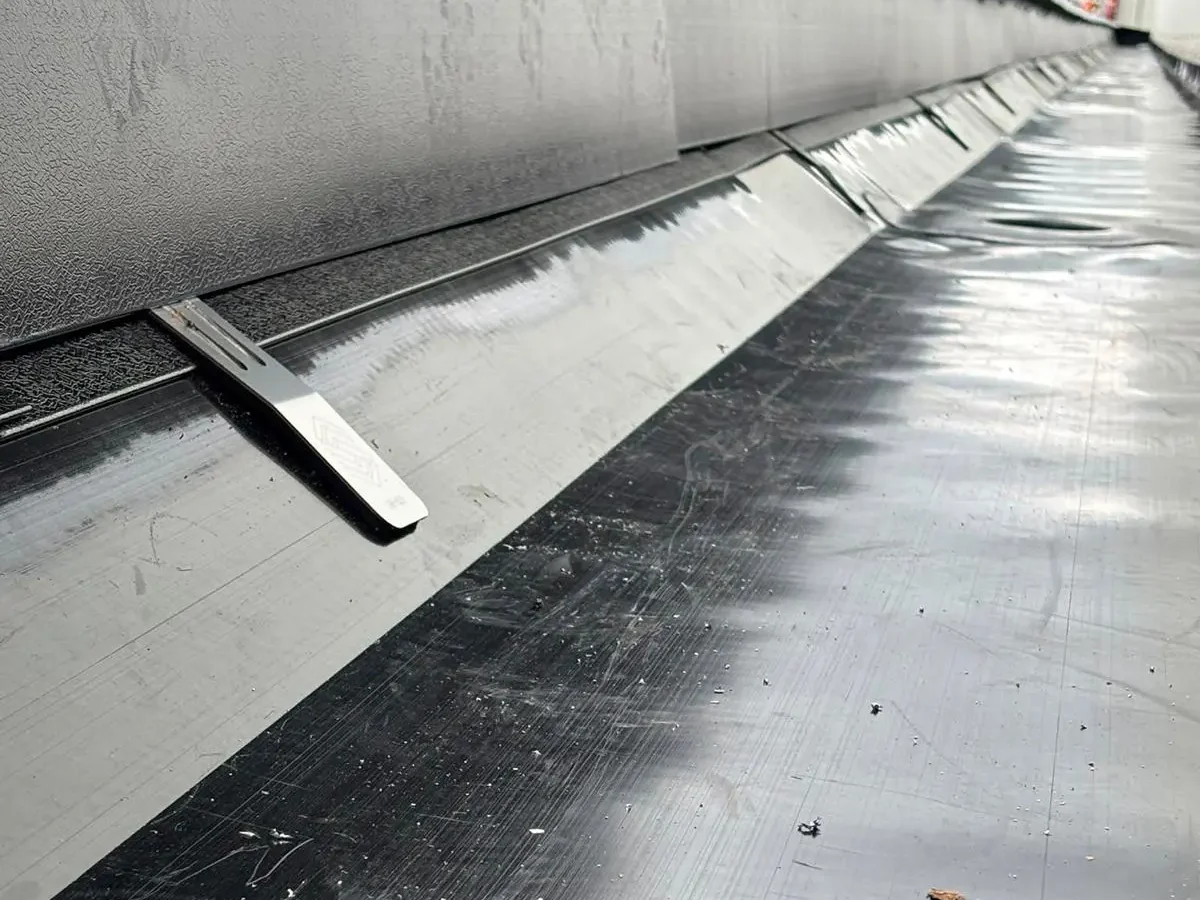
What Is the HD Sharman Plygene System?

HD Sharman is a UK manufacturer specialising in gutter lining and refurbishment systems. Plygene is a reinforced membrane system that lines the interior of existing gutters with a durable, seamless, waterproof layer that seals cracks, joints, and corrosion points.

The result is a watertight gutter system that performs like new without the cost or disruption of full replacement.

The system is suitable for a wide range of gutter profiles, too, including:

  • Box gutters
  • Valley gutters
  • Parapet gutters
  • Half-round gutters
  • Boundary wall gutters.

This versatility makes it one of the most effective gutter refurbishment systems for commercial and industrial buildings in the UK.

Signs Your Commercial Gutters Need Attention

Gutter deterioration doesn’t happen overnight, so problems often go unnoticed until they cause visible internal damage. Common warning signs include:

  • Rust or corrosion along gutter surfaces or joints
  • Water stains on internal walls or ceilings below gutter lines
  • Standing water that doesn’t drain after rainfall
  • Cracked or crumbling sealant at joints and corners
  • Gutters pulling away from the roofline, and leaks during or after heavy rainfall.

A professional gutter survey will confirm whether Plygene lining is the right solution. In many cases, it is, and early action means lower costs and less disruption.

Plygene Lining vs Full Gutter Replacement

Full gutter replacement requires scaffolding or access platforms, extended project timelines, and significantly higher material and labour costs. Plygene lining rejuvenates the existing gutter from the inside, and it’s faster, less disruptive, and considerably more cost-effective.

For most those dealing with deteriorating but structurally sound gutters, Plygene lining delivers the same outcome as replacement at a fraction of the cost.

However, please note that full replacement remains the right choice if structural damage is severe or if the gutter profile itself needs changing.

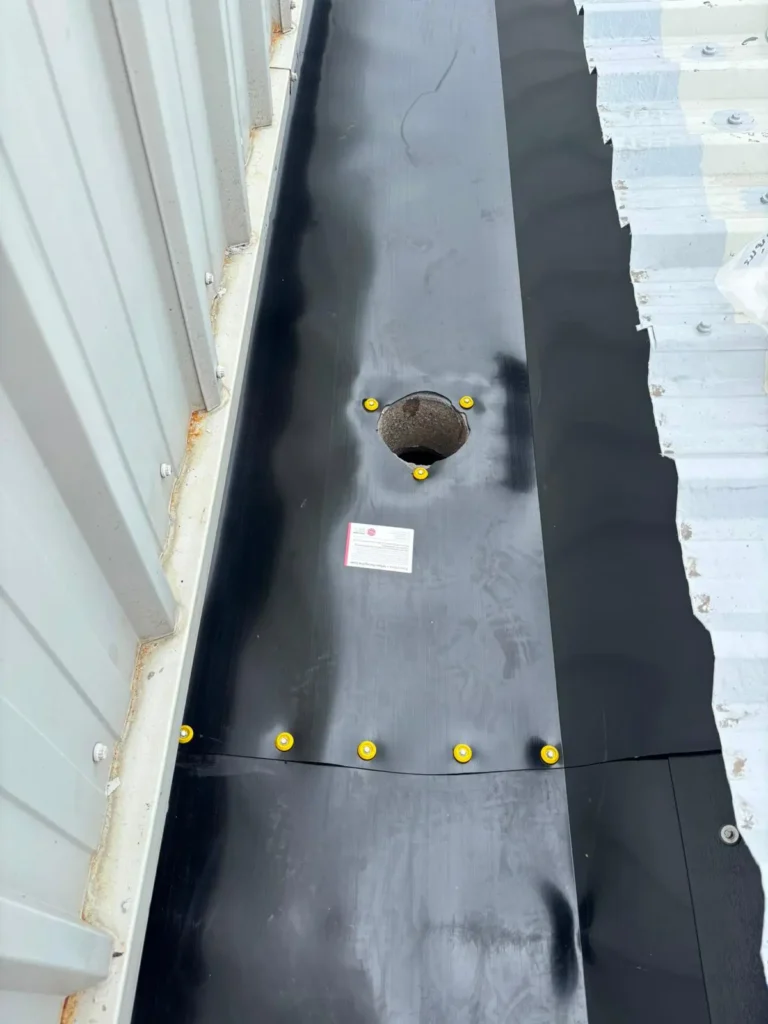
How Plygene Lining Prevents Leaks and Extends Gutter Lifespan

The primary cause of commercial gutter failure is joint and seam breakdown. Sealant between sections dries out, cracks, and fails, and water finds its way through the gaps. It then runs down walls, soaks insulation, and causes internal damage.

Plygene lining creates a single, continuous waterproof layer across the entire gutter interior, eliminating potential failure points. The membrane also protects the underlying substrate from further corrosion. Once sealed, the metal beneath stops deteriorating.

This is particularly important for steel and cast iron gutters, where corrosion spreads rapidly once the protective surface breaks down.

When installed correctly by an approved contractor, Plygene lining can extend the functional life of a commercial gutter system by 25 years or more. This approach works well alongside broader commercial waterproofing.

Cost Savings of Gutter Lining

Plygene lining consistently delivers savings of 50 to 70% compared to full replacement. On large industrial buildings with extensive gutter runs, the difference is massive.

Longer-term savings also include no repeated patch repairs or emergency callouts, reduced risk of internal water damage to stock and equipment, and avoided costs from business disruption.

At ACS Coatings, our reactive maintenance solutions are available for properties requiring urgent gutter attention before a planned program can begin.

The Importance of Using an Approved HD Sharman Plygene Installation Contractor

Plygene is a specialist system. Using an unapproved or inexperienced contractor risks installation failure and voids manufacturer warranties.

HD Sharman approves contractors based on demonstrated competence with the system. Approved contractors like ACS Coatings, therefore, have the training, experience, and access to HD Sharman materials required for a compliant, warranted installation.

ACS Coatings contractors also hold CHAS accreditation, Constructionline registration, CSCS certification, and IPAF qualification, giving clients confidence in both our health and safety standards and our technical capability.

Get a quote or find out more

How the Plygene Installation Process Works

Survey and assessment

We conduct a full survey of the existing gutter system, confirming the extent of deterioration and specifying the appropriate Plygene system.

Access and preparation

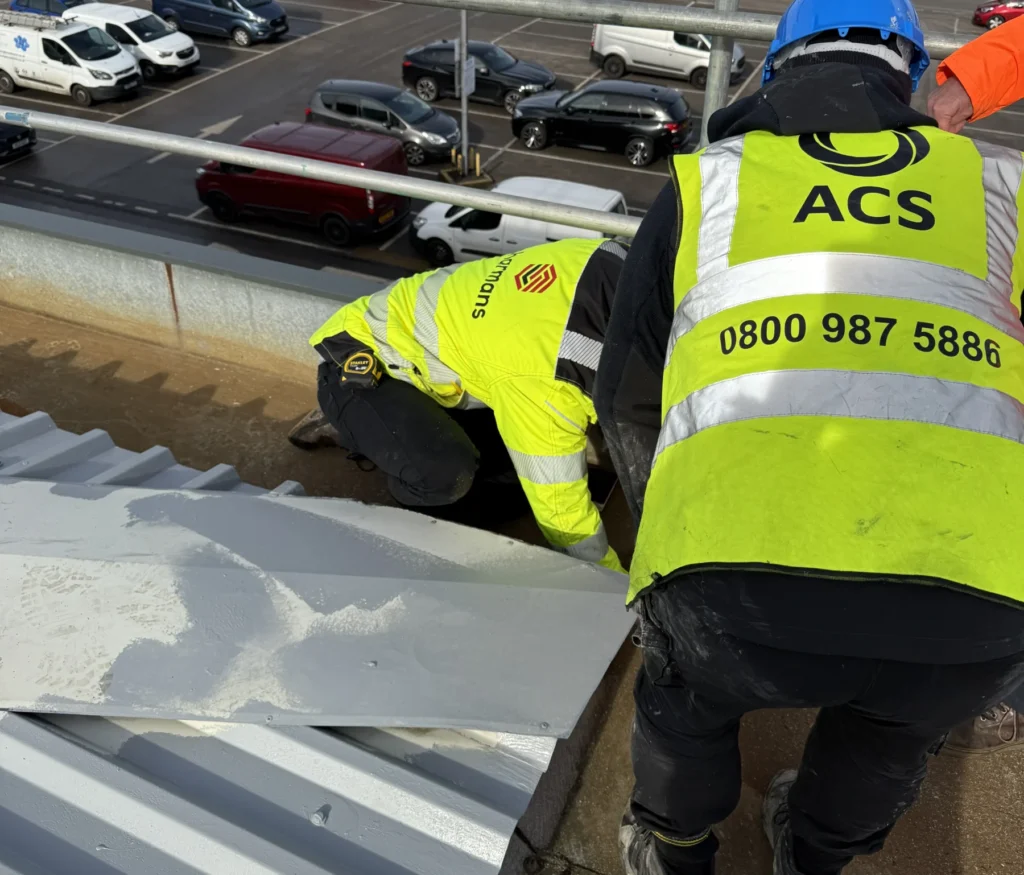
Safe access is set up next, in line with working-at-height regulations. Gutters are thoroughly cleaned, and any failed sealant is removed. The gutter surface is then prepared to ensure proper adhesion of the membrane.

Primer application

Next, a specialist primer is applied to improve adhesion and make sure the membrane bonds correctly to the substrate.

Membrane installation

The Plygene membrane is installed across the full gutter interior, taken up behind fascias and into outlets where required. Laps and joints are sealed to the manufacturer’s specification.

Detailing and inspection

Outlets, corners, and junctions receive additional detailing. The finished installation is inspected against HD Sharman’s quality standards before handover, with full documentation provided for your maintenance records.

Most commercial gutter lining projects can be completed while the building remains in use.

Long-Term Maintenance Benefits

Unlined commercial gutters with failing joints require regular inspection and repeated sealant repairs. The leaks keep returning because the root cause has never been properly addressed. Plygene lining eliminates this cycle, and maintenance is reduced to periodic inspection and outlet clearance, which is straightforward and inexpensive.

For properties where on-site repair and replacement work is also required, however, gutter lining can be coordinated with other planned maintenance to minimise access costs. And if roof maintenance is also needed, our roof coatings and cut-edge corrosion service can be delivered as part of the same program.

ACS Coatings are approved HD Sharman Plygene installation contractors working across commercial and industrial buildings throughout the UK. Our service includes full condition surveys, detailed project specifications, professional installation, and post-installation documentation. Every project is completed to HD Sharman’s standards and backed by manufacturer warranty support.

We also offer cladding sprayingcommercial waterproofingabrasive blasting and surface preparation, and more. This makes ACS Coatings a single point of contact for any and all commercial and industrial maintenance or refurbishment projects.

To discuss your gutter condition or arrange a survey, contact our team on 0800 987 5886 or request a quote online.
What Is a Gutter Liner System?

A gutter liner system creates a waterproof barrier inside commercial gutters, acting as an alternative to fully replacing them. They’re essentially a “gutter within a gutter”, designed to prevent leaks and extend the system’s life by up to 25 years.

For commercial and industrial building owners dealing with leaking gutters, it’s a straightforward question: do you spend tens of thousands on full replacement, or do you restore what’s already there for a fraction of the cost?

This article will explain everything you need to know about gutter liner systems, from what they are to how long they can last, and more.

How Gutter Liner Systems Work

Industrial gutter liners add a membrane that covers the entire internal surface of the gutter. Unlike traditional repairs that patch individual leaks, liner systems treat the whole gutter as one integrated unit.

There are two main types available for commercial properties:

  1. Liquid-applied systems, which use specialist coatings like polyurethane.
  2. EPDM rubber, which bonds permanently to the gutter surface.

Both are flexible, seamless, and accommodate temperature changes without cracking. The liquid nature means they conform to any gutter shape, too.

Pre-formed thermoplastic liners, on the other hand, are custom-made to fit your specific gutter profile. Systems like Plygene are installed into the existing gutter and heat-sealed at joints to create a watertight finish. They’re particularly good for box gutter lining systems with complex shapes and longer distances.

Both eliminate the weak points that cause traditional gutters to fail. The result is no more leaking joints, no more corroded seams, and no more repeated patch repairs that only last a few years.

What Causes Gutters to Fail

Commercial gutters fail for various reasons, including:

Joint Failures

Traditional gutters have multiple seams where sections connect, and these joints inevitably deteriorate. Sealants dry out, fixings corrode, and thermal movement causes gaps. A liner eliminates these weak points entirely by creating one continuous membrane.

Corrosion

This affects metal cutters, especially at cut edges or wherever standing water accumulates. Even galvanised steel eventually rusts, particularly in coastal or industrial areas. Box gutter lining protects the original substrate while providing a corrosion-resistant surface for drainage.

Substrate Degradation

This happens gradually in all gutter materials. Metal thins and weakens, concrete cracks, and GRP delaminates with age.

Rather than replacing the entire structure, a properly installed gutter liner restores waterproofing while the original gutter stays in place as structural support.

How Long Do Gutter Liners Last?

Professional gutter lining systems should last 20-25 years when properly installed. This is significantly longer than traditional gutter repairs, which can need fixing every 3-5 years as sealants fail.

However, the longevity of gutter linings depends on a few factors, such as:

  • Quality materials like premium polyurethane and thermoplastic will outlast cheaper alternatives.
  • Proper surface preparation is critical to long-term performance.
  • Gutters in colder or wetter environments may have a slightly reduced lifespan. However, no matter where it’s located, a properly installed gutter refurbishment system will significantly outlast patch repairs.

Annual inspections and regular maintenance also extend the lifespan of gutter linings. So, keep outlets clear, remove debris, and you’ll get every year of performance these systems are designed to deliver.

Cost Comparison: Lining vs Replacement

Commercial gutter lining typically costs 40-60% less than full gutter replacement, and that’s before you factor in cash lost as a result of disruptions to your operations.

Full replacement on a commercial building means removing the existing system, disposing of old materials, supplying and installing new gutters, and often disturbing roof flashings and cladding. This makes it a lot more expensive.

The same gutter run can be lined much cheaper and can be completed in days rather than weeks. The existing gutter stays in place, too, which means minimal scaffolding and no building closure.

When Replacement Makes More Sense

If your gutter has severe structural damage, extensive corrosion, or the substrate can’t support a lining system, replacement is necessary.

A professional survey identifies which option suits your situation. Honest contractors, like those you’ll find at ACS Coatings, will recommend replacement when the condition warrants it. However, for most commercial gutters showing signs of leaking or deterioration, lining provides excellent value and can be very effective.

The Gutter Lining Installation Process

Professional gutter lining installation follows a systematic process that determines long-term performance.

Preparation

It starts with a thorough cleaning of the existing gutter. All debris, dirt, and loose material must go. For metal gutters with corrosion, this might include grit blasting to remove rust and create a sound substrate. This preparation stage is critical, and liner systems only perform as well as the surface they’re bonded to.

Repairs

Next, any structural damage or holes are then repaired. For liquid systems, these repairs become part of the continuous membrane. And for pre-formed liners, repairs ensure the gutter can support the new system.

Primer Application

Liquid systems then receive primer application to promote adhesion, particularly on non-porous substrates like metal or GRP. The primer choice depends on both the substrate and the lining system being used.

Installation

The liner itself is then installed according to system requirements. Liquid systems go on in multiple coats to build up the required thickness, typically 2-4mm for polyurethane.

Pre-formed liners are positioned carefully and heat-sealed at joints. All outlets, corners, and details receive particular attention.

Final Inspection

Final inspection verifies the installation meets the required specification.

Which Gutters Can Be Lined?

Virtually any commercial gutter type can be lined, which makes these systems highly versatile.

Box gutters on industrial buildings, for example, are particularly well-suited to lining. These rectangular gutters set within the roof structure are difficult and expensive to replace but straightforward to line. The lining eliminates recurring leaks without disturbing the roof structure.

Valley gutters between pitched roof slopes can also be lined, and they present access challenges that make replacement impractical. Lining can be completed using rope access or mobile platforms, avoiding complex scaffolding.

Parapet gutters behind parapet walls similarly benefit from lining rather than replacement. The process avoids disturbing coping stones and flashing details that would need extensive work during replacement.

All in all, the substrate material doesn’t matter much. Liquid lining systems bond to steel, aluminium, GRP, lead, asphalt, and concrete. This means mixed-material gutter systems can be lined in a single operation.

Why Professional Installation Matters

Gutter liner systems require specialist knowledge to install correctly. Surface preparation determines long-term performance, and inadequate cleaning or missed corrosion prevents proper adhesion. Professional installers understand substrate requirements and have the equipment to prepare surfaces properly.

Material selection and application also require experience and relevant expertise. Different gutter conditions need different liner systems, and application techniques vary between products. What’s more, thickness, cure times, environmental conditions, and treatment all affect the final result.

At ACS Coatings, we provide professional gutter lining services for commercial and industrial buildings across the UK. Our experienced team assesses each gutter system individually, recommending the most appropriate solution based on condition, budget, and performance requirements.

We also work with leading liner system manufacturers and follow strict installation procedures. All our installations come with comprehensive guarantees, too, giving you confidence in the work completed.

If your commercial building is experiencing gutter leaks, don’t assume replacement is your only option. Gutter liner systems offer an effective, cost-efficient alternative that’s completed in days rather than weeks.

Our team can survey your gutters, provide honest recommendations on whether lining or replacement is appropriate, and deliver fixed-price quotations. We also complete most projects with minimal disruption, working around your schedule where required.

Contact ACS Coatings on 0800 987 5886 to discuss your gutter requirements, or request a free quote for professional gutter lining services.

9 Signs Your Building Needs Commercial Roof Repairs

Your commercial roof safeguards your business stock, your equipment, and the people who work in your building every day.

Fortunately, rather than failing overnight, commercial roofs give plenty of warning signs if you know what to look for. And spotting these early indicators can be the difference between a simple repair and an expensive replacement that disrupts your entire operation.

In this guide, we’ll walk through 9 early warning signs that indicate your commercial roof needs professional attention. We’ll also explain what each sign means, why acting early matters, and how to protect your building before minor issues become major problems.

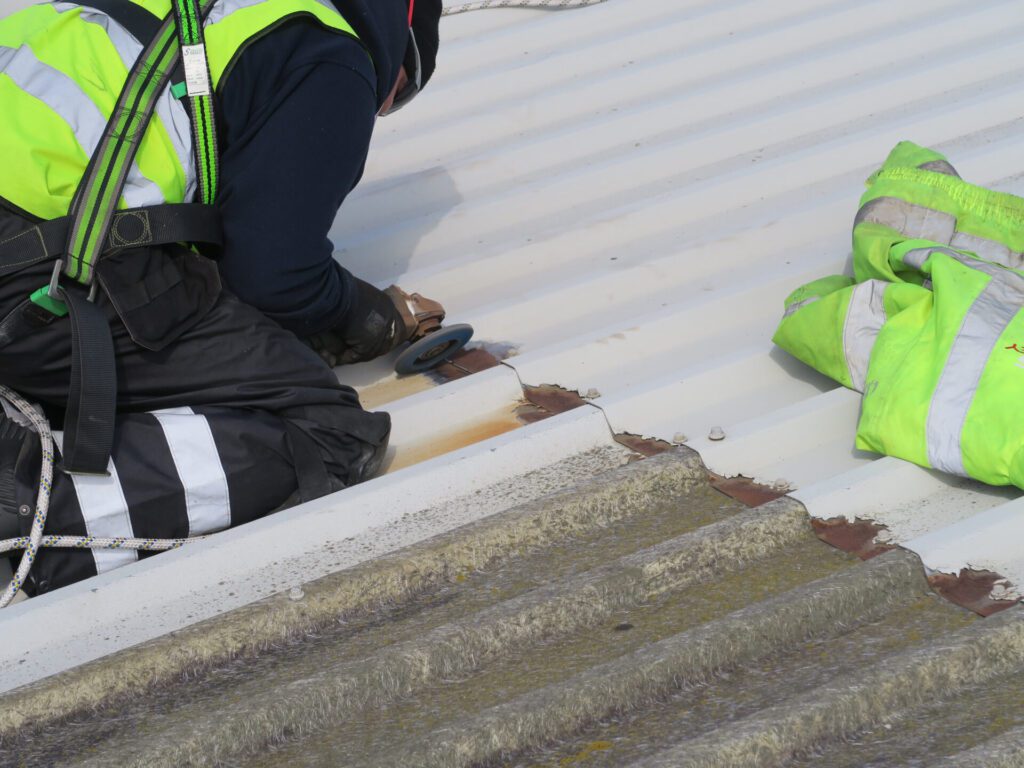
    Rust stains on metal roofing or cladding panels signal that corrosion has started. These brown or orange streaks most commonly appear along panel edges where metal sheets were cut for installation.

    This specific issue is called cut-edge corrosion. When panels are cut, the protective coating at the edges becomes exposed, leaving bare steel vulnerable to moisture and oxygen. Rust forms quickly, often within months, and spreads along the entire cut edge if left untreated.

    Rather than stopping at the edges, this rust lifts the coating from the substrate and allows water to penetrate deeper into the panel structure. Over time, this creates perforation, where holes develop along panel edges and allow direct water ingress into the building.

    You might also notice surface discolouration that indicates moisture penetration beneath the coating. This shows up as darker patches, chalky residue, or uneven fading across the roof surface.

    If you spot rust stains or cut-edge corrosion during routine inspections, you need to repair commercial roof sections before damage spreads. Early intervention with targeted commercial roofing repairs extends your roof’s service life significantly.

    Flat roofs should drain within 48 hours of rainfall. If water remains on the surface beyond this timeframe, you’ve got a drainage problem.

    Ponding water accelerates roof deterioration because it places constant stress on waterproofing membranes, seams, and substrates. Over time, this leads to membrane breakdown, increased leak risk, and structural concerns.

    Common causes of this include blocked outlets, sagging roof sections, inadequate falls, and settlement in the building structure. A professional commercial flat roof repair assessment identifies the root cause rather than just treating the symptoms.

    Fixings secure roofing panels to the structure, so when they loosen or pull through, panels become vulnerable to wind and water ingress. Missing caps on fixings expose the fastener to moisture, creating a direct pathway for water to enter the building and causing corrosion.

    Thermal expansion and contraction also contribute to fixing failure over time. Panels expand in heat and contract in cold, gradually working fixings loose through constant movement.

    If you notice loose or missing fixings during inspections, commercial building roof repair specialists can replace them before wind damage or leaks occur. This is one of the simpler fixes, but only if you catch it early.

    When sealant cracks, shrinks, or pulls away from roof surfaces, it no longer provides effective protection against the elements.

    UV exposure, thermal movement, and age all cause sealant degradation. Most commercial sealants have a service life of 5 to 10 years before replacement becomes necessary, but harsh conditions can shorten this considerably.

    Failed sealant allows water to penetrate behind flashings, into insulation, and through ceiling spaces. This often goes unnoticed until internal damage becomes visible, by which point the repair bill has already multiplied.

    Professional commercial roofing repair services mean assessing sealant condition and replacing failing sections before leaks develop.

    Water stains on internal ceilings indicate active or historical leaks. These brown or yellow marks show where water has penetrated the roof and ceiling materials, even if everything looks dry.

    And even if the stain appears dry, it confirms that water has entered the building at some point. The source could be an intermittent leak that only occurs during heavy rainfall or specific wind conditions, making it harder to trace without professional help.

    Internal stains also suggest that insulation may be saturated. Wet insulation loses thermal performance and can harbour mould growth, creating health concerns and increasing energy costs.

    If you spot water stains, arrange an urgent commercial roof leak repair inspection. Identifying and repairing the source prevents further internal damage and protects building occupants from potential health risks.

    Blisters on flat roofing membranes indicate trapped moisture or air beneath the surface. These raised areas weaken the membrane and create points where splits and leaks can develop over time.

    Blistering occurs when moisture in the substrate evaporates and becomes trapped under the waterproofing layer. This happens more frequently on poorly ventilated roofs or where membranes have been installed over damp substrates.

    Small blisters might not leak immediately, but they compromise membrane integrity. As they expand and contract with temperature changes, they eventually split, allowing direct water penetration that damages everything beneath.

    Professional commercial roofing repairs address blistering by cutting out affected sections, drying the substrate properly, and installing new membrane patches. Early repair prevents widespread membrane failure that would require complete replacement.

    Sagging indicates serious structural problems. It shows that the roof decking, supporting beams, or the building structure has weakened or failed.

    Common causes include long-term water ingress, timber rot in older buildings, overloading from equipment or snow, and inadequate structural support during original construction. None of these issues resolve themselves.

    Sagging roofs can collapse without warning, particularly under additional load from snow, equipment, or maintenance personnel working on the surface.

    If you notice sagging sections, treat this as urgent. Arrange for an immediate structural assessment and keep the area clear until repairs are completed. This type of damage requires commercial building roof repair with structural expertise, not general contractors.

    Moss, algae, and vegetation growth on commercial roofs indicate persistent moisture retention. And while they don’t always cause immediate damage, they create conditions that accelerate deterioration across the roof system.

    Growth often concentrates in areas with poor drainage, shaded sections, or where debris has accumulated. It’s essentially a visible indicator that water isn’t draining effectively from those areas.

    Professional cleaning removes vegetation and identifies underlying drainage or waterproofing issues. Addressing both the growth and its cause prevents recurring problems rather than just clearing the surface temporarily.

    Rising heating or cooling costs can indicate roof problems that aren’t immediately visible from inside or outside. When insulation becomes saturated from leaks, it loses thermal performance, forcing HVAC systems to work harder to maintain comfortable temperatures.

    If energy bills increase without corresponding changes in usage or tariffs, inspect your roof for moisture damage or air leakage. Commercial metal roof repair specialists can identify thermal performance issues and recommend solutions that pay for themselves through reduced energy costs.

    When to Call for Professional Assessment

    Not every roof issue requires immediate emergency response, but all warning signs warrant professional assessment. Schedule an inspection when you notice any of the signs outlined in this guide.

    Professional commercial roofing repair specialists identify problems you might miss during routine checks. They assess structural integrity, identify leak sources, evaluate remaining service life, and recommend appropriate solutions based on your building’s specific condition.

    Early professional involvement means you make informed decisions about repairs, budgeting, and long-term asset management rather than reacting to emergencies.

    At ACS Coatings, we provide comprehensive commercial roof repairs and protective coating systems for industrial and commercial buildings across the UK. Our approach focuses on early problem identification, targeted repairs that address root causes, protective systems that prevent future deterioration, and minimal disruption to your business operations.

    Every project includes a full assessment before work begins. We also provide clear recommendations, fixed-price quotations, and guaranteed workmanship on all commercial roofing repairs we complete.

    To arrange a free roof condition survey and discuss your building’s specific requirements, contact our team on 0800 987 5886 or request a quote online.
    Winter Cladding Issues That Cost Building Owners Thousands (And How to Fix Them)

    Winter weather is much more than an inconvenience if you own a commercial or industrial building. It exposes weaknesses in your external cladding and can turn minor issues into expensive problems that cost thousands to fix and take valuable time away from business operations.

    The good news? Most winter cladding problems are preventable if they’re caught early and acted on. Here’s what to look for and how to fix it before it costs you serious money.

    Cut-edge Corrosion

    Cut-edge corrosion is one of the most common and costly winter cladding issues in the UK. It happens when cladding panels are cut during installation, and the protective coating at the edges gets exposed. Cold, wet weather accelerates rust formation at these vulnerable points, and once it starts, it can spread very quickly.

    Before you know it, what begins as a small rust spot in autumn can spread several metres along the panel edge by spring. This happens because the rust works its way under the coating, causing blistering and delamination that extends far beyond the original damage. Left unchecked, you’re looking at full panel replacement rather than a simple repair.

    Professional cut-edge corrosion treatment involves cleaning affected areas, removing active corrosion, and applying protective coating systems. This approach costs a fraction of panel replacement and can extend your cladding’s lifespan by 15 years or more.

    Water Ingress Behind Panels

    Winter rainfall finds its way into the smallest gaps. As such, damaged sealants, loose fasteners, and compromised panel joints all provide entry points for water during persistent rain. And unfortunately, once water gets behind your cladding panels, it becomes trapped against the building structure.

    In winter, this is more of an issue because drying times can be slow. So, moisture stays in contact with metal components and insulation for weeks at a time, which causes rust on the reverse side of panels and damages insulation performance. This often leads to internal water damage that’s far more expensive to fix than the original cladding issue.

    Early warning signs include staining on internal walls, damp patches during heavy rain, and visible water trails on the exterior. If you’re seeing any of these, on-site repairs should be your priority. Fixing water ingress early prevents structural damage and avoids the need for full panel replacement.

    Fading and Failing Coatings

    UV exposure during summer weakens cladding coatings, but winter weather often finishes the job. Rain penetrates tiny cracks in older coatings, frost causes expansion, and the cycle repeats until large sections start peeling away.

    That’s why faded coatings aren’t just an aesthetic problem. Once the protective layer fails, the substrate beneath becomes vulnerable to corrosion and water damage. From here, what starts as discolouration can become a structural, expensive issue.

    Cladding spraying addresses this before replacement becomes necessary. Professional spray coating restores the protective barrier and refreshes your building’s appearance at up to 80% less cost than panel replacement. Modern coating systems also offer superior UV and weather resistance compared to original finishes, providing better long-term protection.

    Blocked Gutters and Drainage

    Winter leaves, debris, and standing water in blocked gutters cause overflow that runs directly down cladding panels. This constant exposure accelerates all the problems mentioned above, particularly around fixing points and panel joints.

    Blocked drainage also increases the load on gutter systems, causing sagging and joint failures that lead to more serious water ingress issues. Regular gutter maintenance and replacement prevent these cascading problems and protect your cladding investment.

    Rust Staining and Surface Contamination

    Rust staining appears on cladding for two reasons:

    1. Corrosion from the panels themselves.
    2. Rust run-off from other building elements like fixings, flashings, and adjacent metalwork.

    Winter rain spreads these stains across large areas, which makes them highly visible and difficult to remove without professional help.

    Surface contamination from algae, moss, and atmospheric pollution also becomes more apparent in winter. These hold moisture against the cladding surface, accelerating deterioration and creating an unprofessional appearance that affects your property’s value.

    Commercial pressure washing removes surface contamination and prepares cladding for protective treatments. Combined with rust treatment and protective coatings, it can effectively restore appearance while preventing future damage.

    How On-Site Spraying Prevents Replacement

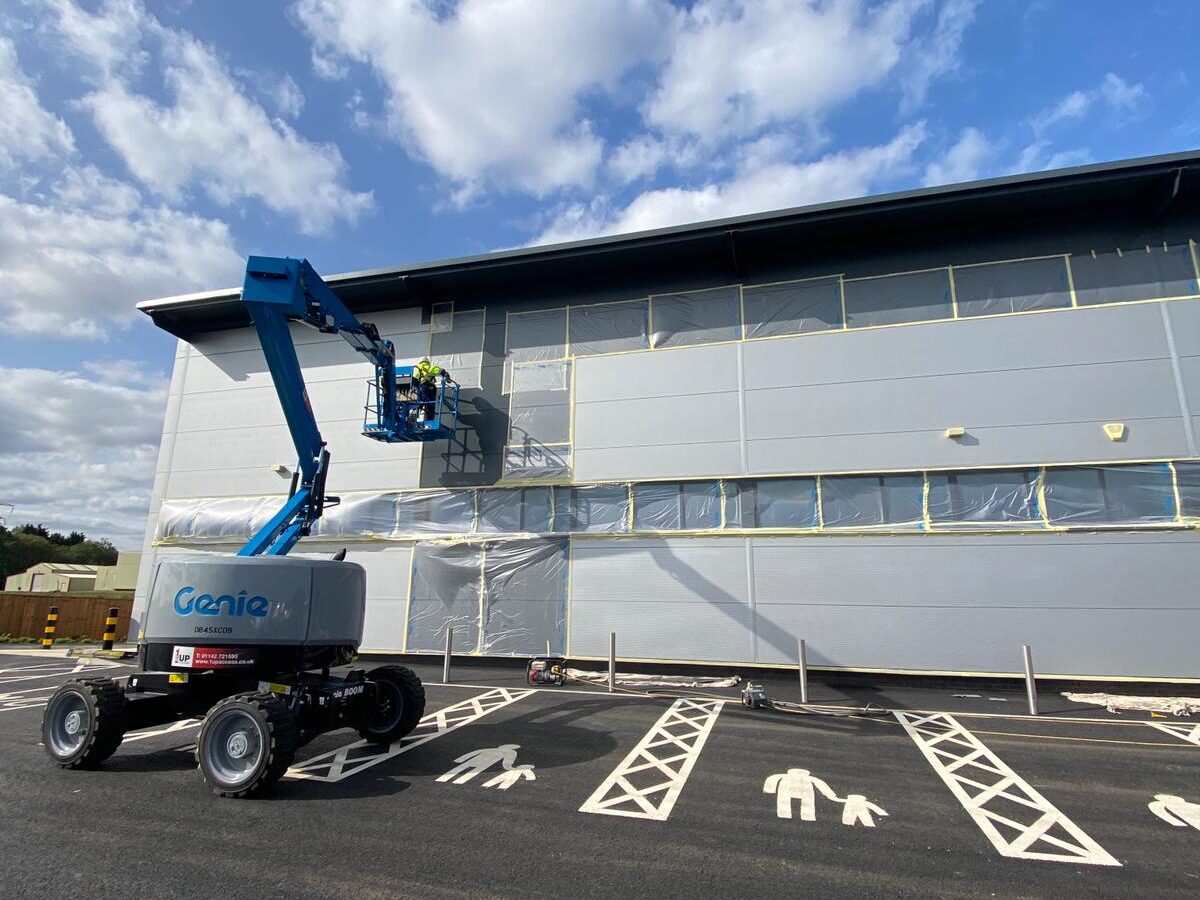
    Many building owners assume that weathered or damaged cladding means replacement is inevitable. That’s rarely true. Because on-site paint spraying can restore cladding to better-than-new condition at a fraction of replacement cost.

    The process involves thorough cleaning, surface preparation, repair of any damage, and application of high-performance coating systems. These modern coatings bond with existing panels to create a protective barrier that resists UV damage, prevents water ingress, and stops corrosion before it starts.

    Professional cladding spraying also avoids the disruption and downtime associated with replacement. Most buildings remain operational throughout the work, with projects completed in weeks rather than months.

    So, for businesses that can’t afford extended closures, spraying becomes the obvious choice.

    Why Act Now

    Warmer months bring longer lead times for maintenance work as every property owner tries to address winter damage at once. Contractors get booked up, costs increase, and you’re left waiting for availability while problems continue to get worse.

    As a result, addressing cladding issues earlier means you avoid the busy period, get better contractor availability, and prevent minor problems from becoming major expenses. It also means your building looks its best when the weather improves, and business activity picks up.

    Don’t wait for small issues to become expensive problems. A professional cladding inspection identifies vulnerabilities before they cause serious damage and gives you a clear plan for cost-effective maintenance.

    At ACS Coatings, we provide free winter cladding inspections for commercial and industrial properties. Our experienced team will assess your building, identify any issues, and recommend the most cost-effective solutions to protect your investment.

    Get a quote or contact ACS Coatings on 0800 987 5886 to beat the spring lead times.

    The Complete Industrial Roof Guttering Guide

    The first line of defence against water ingress and property damage, your gutters prevent leaks and corrosion, and their upkeep is vital. Because of this, industrial roof guttering plays a huge role in the protection of commercial buildings. 

    But it isn’t as simple as domestic guttering at home, as it involves much larger volumes of water, larger roof areas, and more complex drainage systems. Because of this, industrial roof guttering is a specialist service that we proudly provide at ACS Coatings.

    This guide is designed to inform commercial property owners and facilities managers about how industrial roof guttering works and when maintenance or replacements may be required. 

    We’ll also run through how to avoid costly, common issues business owners face, and how to choose the right service. 

    How is Guttering Repaired on Industrial Roofs?

    Site Inspection 

    Industrial roofs present many complications due to their height and width. That’s why safety is of paramount importance, which is something that should be assessed in any industrial roof guttering repair or installation

    Not only can an inspection help you assess the extent of the damage and determine what’s required, but it also helps clarify access and what equipment is required. 

    Clearing Blockages

    Blockages come in many forms when it comes to industrial roof guttering, from leaves to moss and other built-up debris. 

    At ACS Coatings, our team of experts can not only identify obstructions in your roof guttering system, but potential blockages that could cause problems down the line. We can also identify other potential weak spots like cracks and standing water, among other issues that may not be visible from the ground level.

    Joint Seals and Leak Fixing

    Joints and seams are prone to leaking on industrial roof systems, but our experts have worked on countless different buildings over the years and know what to expect and look out for. 

    As a result, we can identify and reseal seals with high-performance sealants and install expansion joints where movement or stress has caused damage or splitting. 

    Repair or Replace Sections

    You don’t always need an entire gutter system replaced, and you can often just replace or repair corroded/sagging sections instead. This saves you money and can be incredibly effective. 

    We can carry this kind of work out using matching materials from galvanised steel to aluminium, or industrial-grade plastics. We also guarantee secure fixing and correct pitching for waterflow and try to repair roofs instead of recommending full replacements, where possible.

    Reinforce or Reline the Roof System

    In rarer cases, internal roof guttering surfaces can be relined using liquid waterproof coatings. This helps restore functionality to damaged or corroded roof sections without replacing the full system or carrying out more extensive repairs. 

    It can add years to the performance of industrial roof guttering, giving you peace of mind for the long-term. 

    The Most Common Types of Gutters

    When it comes to industrial roofs, the most common types are box gutters, valley gutters, and external eaves gutters. 

    Here are the core differences between the three of them:

    What are Box Gutters?

    Box gutters are gutters found on top of a roof between two slopes. They’re known to block if they aren’t well-maintained, and they can be vulnerable to leaks that allow water into your building and cause damp and water damage.

    What are Valley Gutters?

    Valley gutters are similar to box gutters and run between two sloped, dramatically pitched roofs. The key difference is that they’re usually deeper with more precise falls. 

    Because of their depth, valley gutters are more likely to pond water and experience corrosion, especially if you don’t regularly inspect them.

    What are Eaves Gutters?

    Eaves gutters are fixed to the outside of an industrial building, similar to a domestic property. This positioning makes them easier to access than the other two, but they are much more exposed to wind damage and leaf buildup from trees.

    Understanding which kind of guttering your building has installed helps with maintenance and the right repairs can prevent future issues for your commercial or industrial property.

    When is it Time for a Roof Gutter Repair?

    Proactive industrial roof guttering repair is essential, and delayed action can lead to expensive structural damage. 

    Here’s what to look out for:

    • Water overflow during heavy rain
    • Visible sagging or detachment
    • Staining on outside walls
    • Internal damp patches or leaks
    • Rust, flaking or corrosion
    • Birds nesting in gutters
    • Constant dripping after rainfall.

    Any of these issues, no matter how subtle, can indicate something much more serious at play, putting your building at risk. 

    Early repairs and regular maintenance can help reduce problems and tackle them before they become too problematic. They can also save you money in the long run and protect the integrity of your roof for the future. 

    Industrial roof guttering isn’t simply about drainage. It’s about protecting your entire roof system and the rest of your premises from preventable, expensive, and stressful damage. 

    Whether your business is experiencing blocked valley gutters, leaking box gutters, or worn-out eaves gutters, our expert repair and maintenance services can be tailored to your requirements and timeframes thanks to years of experience.

    Carrying out detailed inspections, our teams can identify visible and hidden problems with your industrial guttering, and we can confidently deliver targeted repairs to tackle them. Using only the best, most suitable materials and equipment, we extend your industrial roof guttering’s lifespan and ensure your drainage is fit for purpose, no matter the weather.

    We also offer scheduled industrial roof guttering maintenance as part of a wider roof care service, helping you avoid expensive replacements and stay compliant with insurance and lease requirements. 

    All in all, we keep your property in top condition all year round, no matter where you’re located or what industry you work in.If your industrial roof guttering is showing signs of wear and tear or you haven’t had it seen to in a while, get in touch with the experts at ACS Coatings today to arrange an inspection and no obligation quote.