Winter Cladding Issues That Cost Building Owners Thousands (And How to Fix Them)

Winter weather is much more than an inconvenience if you own a commercial or industrial building. It exposes weaknesses in your external cladding and can turn minor issues into expensive problems that cost thousands to fix and take valuable time away from business operations.

The good news? Most winter cladding problems are preventable if they’re caught early and acted on. Here’s what to look for and how to fix it before it costs you serious money.
Cut-edge Corrosion

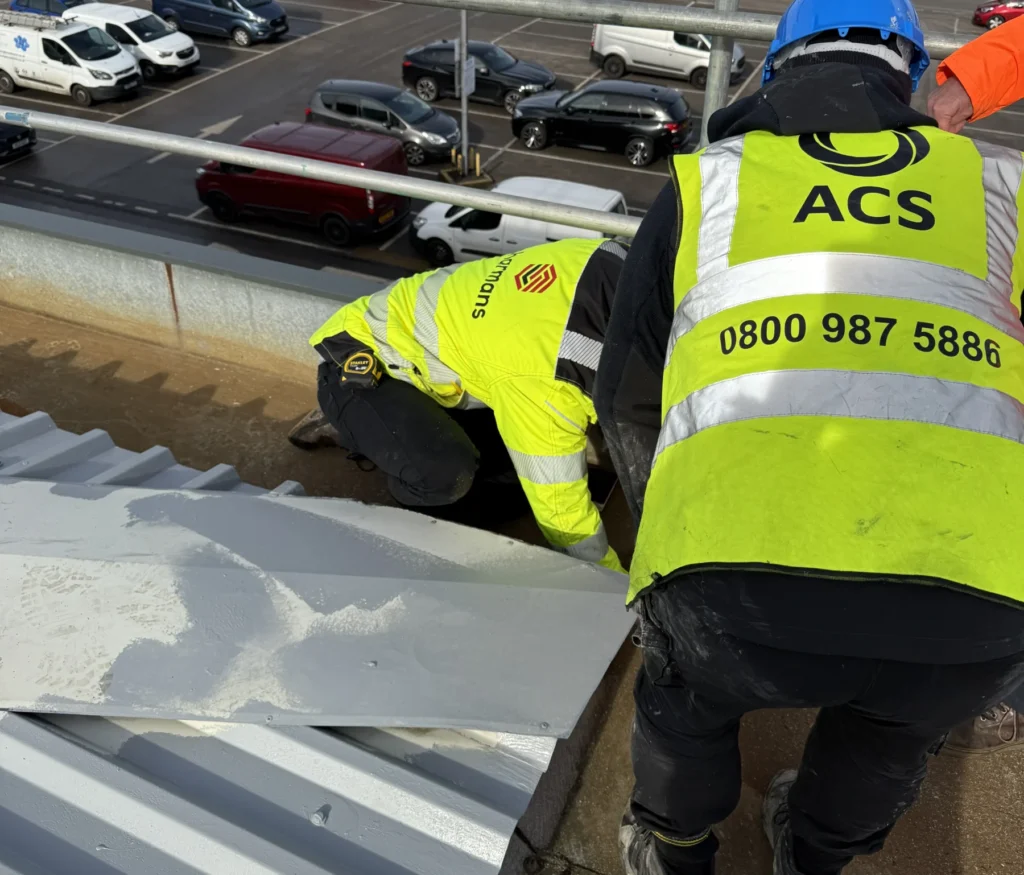
Cut-edge corrosion is one of the most common and costly winter cladding issues in the UK. It happens when cladding panels are cut during installation, and the protective coating at the edges gets exposed. Cold, wet weather accelerates rust formation at these vulnerable points, and once it starts, it can spread very quickly.

Before you know it, what begins as a small rust spot in autumn can spread several metres along the panel edge by spring. This happens because the rust works its way under the coating, causing blistering and delamination that extends far beyond the original damage. Left unchecked, you’re looking at full panel replacement rather than a simple repair.

Professional cut-edge corrosion treatment involves cleaning affected areas, removing active corrosion, and applying protective coating systems. This approach costs a fraction of panel replacement and can extend your cladding’s lifespan by 15 years or more.

Water Ingress Behind Panels

Winter rainfall finds its way into the smallest gaps. As such, damaged sealants, loose fasteners, and compromised panel joints all provide entry points for water during persistent rain. And unfortunately, once water gets behind your cladding panels, it becomes trapped against the building structure.

In winter, this is more of an issue because drying times can be slow. So, moisture stays in contact with metal components and insulation for weeks at a time, which causes rust on the reverse side of panels and damages insulation performance. This often leads to internal water damage that’s far more expensive to fix than the original cladding issue.

Early warning signs include staining on internal walls, damp patches during heavy rain, and visible water trails on the exterior. If you’re seeing any of these, on-site repairs should be your priority. Fixing water ingress early prevents structural damage and avoids the need for full panel replacement.

Fading and Failing Coatings

UV exposure during summer weakens cladding coatings, but winter weather often finishes the job. Rain penetrates tiny cracks in older coatings, frost causes expansion, and the cycle repeats until large sections start peeling away.

That’s why faded coatings aren’t just an aesthetic problem. Once the protective layer fails, the substrate beneath becomes vulnerable to corrosion and water damage. From here, what starts as discolouration can become a structural, expensive issue.

Cladding spraying addresses this before replacement becomes necessary. Professional spray coating restores the protective barrier and refreshes your building’s appearance at up to 80% less cost than panel replacement. Modern coating systems also offer superior UV and weather resistance compared to original finishes, providing better long-term protection.

Blocked Gutters and Drainage

Winter leaves, debris, and standing water in blocked gutters cause overflow that runs directly down cladding panels. This constant exposure accelerates all the problems mentioned above, particularly around fixing points and panel joints.

Blocked drainage also increases the load on gutter systems, causing sagging and joint failures that lead to more serious water ingress issues. Regular gutter maintenance and replacement prevent these cascading problems and protect your cladding investment.

Rust Staining and Surface Contamination

Rust staining appears on cladding for two reasons:

  1. Corrosion from the panels themselves.
  2. Rust run-off from other building elements like fixings, flashings, and adjacent metalwork.

Winter rain spreads these stains across large areas, which makes them highly visible and difficult to remove without professional help.

Surface contamination from algae, moss, and atmospheric pollution also becomes more apparent in winter. These hold moisture against the cladding surface, accelerating deterioration and creating an unprofessional appearance that affects your property’s value.

Commercial pressure washing removes surface contamination and prepares cladding for protective treatments. Combined with rust treatment and protective coatings, it can effectively restore appearance while preventing future damage.

How On-Site Spraying Prevents Replacement

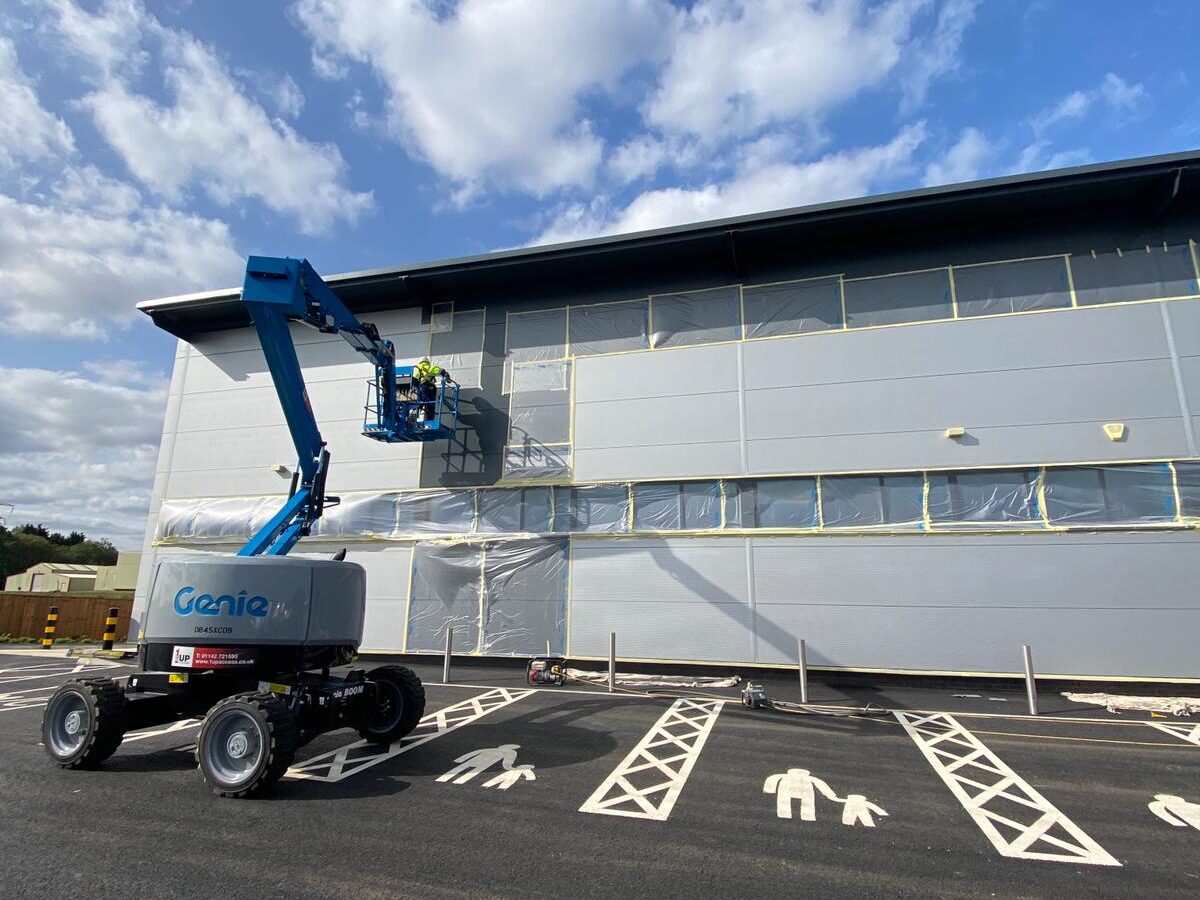
Many building owners assume that weathered or damaged cladding means replacement is inevitable. That’s rarely true. Because on-site paint spraying can restore cladding to better-than-new condition at a fraction of replacement cost.

The process involves thorough cleaning, surface preparation, repair of any damage, and application of high-performance coating systems. These modern coatings bond with existing panels to create a protective barrier that resists UV damage, prevents water ingress, and stops corrosion before it starts.

Professional cladding spraying also avoids the disruption and downtime associated with replacement. Most buildings remain operational throughout the work, with projects completed in weeks rather than months.

So, for businesses that can’t afford extended closures, spraying becomes the obvious choice.

Why Act Now

Warmer months bring longer lead times for maintenance work as every property owner tries to address winter damage at once. Contractors get booked up, costs increase, and you’re left waiting for availability while problems continue to get worse.

As a result, addressing cladding issues earlier means you avoid the busy period, get better contractor availability, and prevent minor problems from becoming major expenses. It also means your building looks its best when the weather improves, and business activity picks up.

Don’t wait for small issues to become expensive problems. A professional cladding inspection identifies vulnerabilities before they cause serious damage and gives you a clear plan for cost-effective maintenance.

At ACS Coatings, we provide free winter cladding inspections for commercial and industrial properties. Our experienced team will assess your building, identify any issues, and recommend the most cost-effective solutions to protect your investment.

Get a quote or contact ACS Coatings on 0800 987 5886 to beat the spring lead times.

How Landlords Can Protect The Exterior Of Their Properties

Industrial and commercial building security is much more than what’s on the inside. Even though this is the case, many landlords neglect the building exterior when it comes to protection, which is a big no-no.

From damaged cladding to leaky gutters, dodgy roof panels, and more, seemingly harmless issues can reduce property safety and lead to various building security risks. This can not only cause damage to your building itself, but to your reputation as a landlord, resulting in less trust and less tenants.

That’s why a clear assessment and maintenance process is crucial for landlords who own industrial and commercial premises, just as much as reactive repairs. Preventing action today can reduce issues in the future, helping you maintain asset value and do right by your tenants for longer. 

In this article, we’ll provide an exterior protection checklist, break down the most common causes of damage, and demonstrate how ACS Coatings can help you safeguard your property investments for the long term.

The Property Exterior Protection Checklist

Carry Out Regular Inspections

Building security doesn’t have to be complicated, and you can start with scheduled walk-arounds of your property to visually inspect its state. 

Check for signs of peeling paint, algae growth, corrosion, and damaged cladding, and if you spot any problems, get your property inspected by a professional as soon as possible. 

This prevents issues from manifesting into something more serious, and something as simple as cladding spraying services can restore and protect vulnerable exterior sections.

Maintain Gutters and Roof Panels

Blocked gutters and damaged roof panels can cause leaks and damp inside commercial buildings, both of which can be harmful to property safety and cause costly issues for landlords. 

To get around this common commercial building security issue, carry out seasonal checks where damage is more common. Our industrial roof guttering team can help with inspection, repair, and relining, tailoring every job around your needs and schedule.

Keep External Surfaces Clean

Dirt and build-up make commercial properties look old and neglected, but they can also accelerate building decay and create building security vulnerabilities. 

Our pressure washing service is ideal for keeping all kinds of industrial and commercial surfaces clean and safe, removing contaminants and extending the lifespan of cladding, paving, and more.

Seal and Protect Cladding and Façades

Once building exteriors have been sufficiently cleaned, panels should be sealed with protective coatings to reduce UV damage, water ingress, and chemical damage. 

The experts at ACS Coatings deliver high-performance spray coatings tailored to commercial properties and site-specific requirements. This can go a long way to improving the appearance and security of landlord’s premises with minimal disruption.

Check for Signs of Subsidence or Structural Movement

Cracks on external property cladding often mean visual and structural problems and put building security at risk. While not always at the top of a landlord’s to-do list, these issues should be regularly reviewed and repaired when needed. Doing so will help you avoid expensive repairs and replacements later. 

At ACS Coatings, we can assist with commercial and industrial building façade repair and advise on maintenance steps to protect your premises for longer.

Reassess Access Points and Fixtures

Just like at home, you should make sure that all your business; doors, windows, and external fixings like lights and signs are safely installed and securely attached. 

Loose panels or faulty fittings can be incredibly dangerous to staff and business visitors and can impact your building security obligations as a landlord. This might put you in hot water with legal and insurance repercussions.

Log all Maintenance Work 

Keep a record of maintenance and work completed on your building exterior to create a clear history that supports compliance and asset planning. 

As well as helping you budget and plan for the future, this allows for better communication with tenants and more peace of mind given. This is particularly important in long-term lease agreements.

What Can Typically Cause the Most Damage to the Exterior of Your Property?

The Great British Weather 

Heavy rain, UV exposure, wind, frost, and pollution can all damage surfaces over time, and are all widespread in the UK. Left unchecked or poorly maintained, they often lead to peeled coatings, rust, or water ingress and damp. 

Our cladding spraying services provide long-lasting protection against the elements and can set your property up for the future with durable, resilient finishes.

Property age and previous repairs

Older buildings that haven’t been well looked after are much more likely to experience wear and tear than newer ones. Without regular restoration work and relevant building repairs, they can deteriorate and leave you with an expensive, time-consuming headache. 

But not to worry, as our pressure washing cleaning and cladding spraying services do fantastic work in bringing older buildings back to their prime. 

Blocked or poorly maintained gutters

Overflowing gutters lead to water running down walls and pooling on roofs, which leads to unwanted damp issues and even structural damage to commercial properties. 

Fortunately, our industrial roof guttering team of experts is on hand to repair and maintain drainage systems for long-term performance.

Neglect or reactive-only maintenance

Many landlords wait until a tenant complains or exterior damage is impossible to ignore before tackling it. However, this can be incredibly expensive and lead to more problems than you need. 

Instead, establishing a proactive approach can save you time and disruptions, not to mention high costs and stress. 

At ACS Coatings, we support proactive asset care with scheduled maintenance and cladding spraying services.

Biological growth and pollution

Algae and moss can not only stain, but damage external panels, particularly in damp or dark areas of your building exterior that aren’t in the sun’s direct light. 

These issues may seem small, but over time, they can contribute to problems and higher maintenance costs. That’s why landlords who act early benefit most in the long run.

Our pressure washing service is designed to remove stubborn growth safely and restore visual appeal for longer, which is great news for landlords.

External maintenance can fall down the priority list, particularly if you have tenants registered who aren’t flagging any issues. However, refurbishment and maintenance can strengthen building security and tenant relationships, keeping everybody happy.

At ACS Coatings, we work with commercial and industrial landlords across the UK to protect, maintain, and enhance properties for long-term durability. From cladding spraying and industrial pressure washing to roof guttering repair and long-term maintenance plans, our services are designed to keep your premises looking fantastic and structurally safe.

Our team of professionals provide honest advice and response times to clients across the country, whether you manage one commercial unit or a full portfolio of industrial properties. No matter your circumstances, we’re here to help you stay compliant, reduce costs, and maintain standards of property safety both inside and out.

Are you ready to boost property safety as a landlord? Get in touch with ACS Coatings today to discuss a tailored solution for your site.

The Complete Industrial Roof Guttering Guide

The first line of defence against water ingress and property damage, your gutters prevent leaks and corrosion, and their upkeep is vital. Because of this, industrial roof guttering plays a huge role in the protection of commercial buildings. 

But it isn’t as simple as domestic guttering at home, as it involves much larger volumes of water, larger roof areas, and more complex drainage systems. Because of this, industrial roof guttering is a specialist service that we proudly provide at ACS Coatings.

This guide is designed to inform commercial property owners and facilities managers about how industrial roof guttering works and when maintenance or replacements may be required. 

We’ll also run through how to avoid costly, common issues business owners face, and how to choose the right service. 

How is Guttering Repaired on Industrial Roofs?

Site Inspection 

Industrial roofs present many complications due to their height and width. That’s why safety is of paramount importance, which is something that should be assessed in any industrial roof guttering repair or installation

Not only can an inspection help you assess the extent of the damage and determine what’s required, but it also helps clarify access and what equipment is required. 

Clearing Blockages

Blockages come in many forms when it comes to industrial roof guttering, from leaves to moss and other built-up debris. 

At ACS Coatings, our team of experts can not only identify obstructions in your roof guttering system, but potential blockages that could cause problems down the line. We can also identify other potential weak spots like cracks and standing water, among other issues that may not be visible from the ground level.

Joint Seals and Leak Fixing

Joints and seams are prone to leaking on industrial roof systems, but our experts have worked on countless different buildings over the years and know what to expect and look out for. 

As a result, we can identify and reseal seals with high-performance sealants and install expansion joints where movement or stress has caused damage or splitting. 

Repair or Replace Sections

You don’t always need an entire gutter system replaced, and you can often just replace or repair corroded/sagging sections instead. This saves you money and can be incredibly effective. 

We can carry this kind of work out using matching materials from galvanised steel to aluminium, or industrial-grade plastics. We also guarantee secure fixing and correct pitching for waterflow and try to repair roofs instead of recommending full replacements, where possible.

Reinforce or Reline the Roof System

In rarer cases, internal roof guttering surfaces can be relined using liquid waterproof coatings. This helps restore functionality to damaged or corroded roof sections without replacing the full system or carrying out more extensive repairs. 

It can add years to the performance of industrial roof guttering, giving you peace of mind for the long-term. 

The Most Common Types of Gutters

When it comes to industrial roofs, the most common types are box gutters, valley gutters, and external eaves gutters. 

Here are the core differences between the three of them:

What are Box Gutters?

Box gutters are gutters found on top of a roof between two slopes. They’re known to block if they aren’t well-maintained, and they can be vulnerable to leaks that allow water into your building and cause damp and water damage.

What are Valley Gutters?

Valley gutters are similar to box gutters and run between two sloped, dramatically pitched roofs. The key difference is that they’re usually deeper with more precise falls. 

Because of their depth, valley gutters are more likely to pond water and experience corrosion, especially if you don’t regularly inspect them.

What are Eaves Gutters?

Eaves gutters are fixed to the outside of an industrial building, similar to a domestic property. This positioning makes them easier to access than the other two, but they are much more exposed to wind damage and leaf buildup from trees.

Understanding which kind of guttering your building has installed helps with maintenance and the right repairs can prevent future issues for your commercial or industrial property.

When is it Time for a Roof Gutter Repair?

Proactive industrial roof guttering repair is essential, and delayed action can lead to expensive structural damage. 

Here’s what to look out for:

  • Water overflow during heavy rain
  • Visible sagging or detachment
  • Staining on outside walls
  • Internal damp patches or leaks
  • Rust, flaking or corrosion
  • Birds nesting in gutters
  • Constant dripping after rainfall.

Any of these issues, no matter how subtle, can indicate something much more serious at play, putting your building at risk. 

Early repairs and regular maintenance can help reduce problems and tackle them before they become too problematic. They can also save you money in the long run and protect the integrity of your roof for the future. 

Industrial roof guttering isn’t simply about drainage. It’s about protecting your entire roof system and the rest of your premises from preventable, expensive, and stressful damage. 

Whether your business is experiencing blocked valley gutters, leaking box gutters, or worn-out eaves gutters, our expert repair and maintenance services can be tailored to your requirements and timeframes thanks to years of experience.

Carrying out detailed inspections, our teams can identify visible and hidden problems with your industrial guttering, and we can confidently deliver targeted repairs to tackle them. Using only the best, most suitable materials and equipment, we extend your industrial roof guttering’s lifespan and ensure your drainage is fit for purpose, no matter the weather.

We also offer scheduled industrial roof guttering maintenance as part of a wider roof care service, helping you avoid expensive replacements and stay compliant with insurance and lease requirements. 

All in all, we keep your property in top condition all year round, no matter where you’re located or what industry you work in.If your industrial roof guttering is showing signs of wear and tear or you haven’t had it seen to in a while, get in touch with the experts at ACS Coatings today to arrange an inspection and no obligation quote.

How to Prevent Commercial Water Damage in Commercial Properties

Commercial water damage is one of the most expensive issues a commercial property owner can face due to the installation costs and downtime required to fix it. 

Caused by anything from blocked gutters to poorly designed roof draining systems, as well as simple issues like cracked coating panels on your building’s exterior. The result could be water ingress that leads to serious complications as well as complaints from tenants and operational downtime.

The best way to prevent commercial water damage is through a mix of regular inspections, proactive repair work, and proper surface protection, as well as better drainage. 

In this article, we’ll break down the different types of commercial water damage you might encounter, the common causes, and how to prevent issues before they cause issues. We’ll also explain how we can support you with commercial water damage cleanup and long-term prevention.

Are There Different Types of Commercial Water Damage?

Yes, there are three main types of commercial water damage:

  1. Surface-level damage usually shows itself as peeling or bubbling paint, or stains. This damage is usually caused by blocked gutters or pooled water on your roof.
  2. Penetrative damage is more dangerous and happens when water enters through cracks, failed sealant, or loose fittings. It’s expensive to repair and can result in damp, rot, and corrosion.
  3. Structural water damage is the most serious of them all and can weaken joints, rust structural beams and support, and lead to collapse.

If you manage or own a commercial property, you should know that visible damage is usually just the tip of the iceberg and hides much more serious issues beneath. Moisture can spread through building materials, for example, and result in expensive repairs down the line, so proactive repairs are always worth it.

What Are the Main Causes of Commercial Water Damage?

Blocked Gutters and Pipes

One of the most common causes of commercial water damage is blocked industrial roof guttering. Debris like leaves build up over time, prevent drainage, and lead to wall damage, all of which is avoidable. 

Our gutter repair and maintenance services help remove this dangerous risk before it becomes a serious problem for your business.

Damaged or Badly Installed Cladding

Cracks in cladding panels and failed seals are common entry points for unwanted water in commercial premises. Over time, this can result in rot, rust, and leaks, which no business owner wants. 

Our cladding repair and spraying services fix and protect your surfaces before the damage spreads and causes major issues.

Roof Drainage Problems

Standing water on shallow-pitched or flat roofs is a huge risk for older buildings in the UK. Why? Because it speeds up surface wear and leaks which can be time-consuming and expensive to fix. 

At ACS Coatings, our knowledgeable, experienced team carries out roof inspections and coatings to ensure water is dealt with as efficiently as possible.

Inadequate Materials and Outdated Installations

Older properties are the most at risk for this one and often suffer from weakened paint, failed seals, and inefficient guttering that can’t cope with modern commercial usage. 

At ACS Coatings, we can modernise your most at-risk areas using high-performance coatings built for longevity.

Poor Maintenance

Ignoring proper inspections or delaying the most minor fixes can result in major repair costs later. This is true for any commercial building issue but even more so when it comes to water damage. 

With ACS Coatings, you can schedule ongoing maintenance plans tailored to your building type and we guarantee that no issue is ignored. 

How to Prevent Water Damage

Carry Out Regular Inspections

Regular inspections go a long way to preventing water damage in commercial or industrial premises. 

This is usually a simple case of an expert walking around a property and checking for obvious signs of deterioration or wear. Examples of this can include peeling paint, rusted surfaces, water marks, and spillages outside of gutter systems. 

These simple but effective regular checks can help you identify issues before they evolve into something bigger.

Maintain Roof Guttering 

Don’t wait for a storm to reveal a blocked or leaking gutter in your premises. This is an all-too-common issue in the UK, where people assume that repairs are only needed when they see similar cases on the news. 

At ACS Coatings, our industrial roof guttering team regularly inspects, clears, and re-aligns your gutters so you can avoid water ingress and expensive, time-consuming damage.

Invest in Cladding Repair and Protection

Damaged or tired-looking cladding isn’t just a cosmetic issue, and it can result in water ingress and cause untold issues inside your premises, from damp to mould, stains, and more. 

Our professional cladding spraying services effectively seal any exterior panels with durable, effective coatings. These work hard to protect your exterior and interior against adverse weather and pollutants found in the British climate.

Use High-Performing Waterproof Coatings

Moisture can penetrate a commercial or industrial building from many different places like joints and edges. Professional installed and durable coating systems can give you added protection and reduce long-term maintenance requirements. 

At ACS Coatings, we only use commercial-grade products designed for the UK’s weather conditions, as well as the bespoke requirements of your property.

Follow a Maintenance Plan

Don’t rely on reactive fixes when it comes to commercial water damage cleanup and prevention. 

Instead, choose an expert like ACS Coatings, who can help you build a property maintenance plan that includes regular checks and targeted repairs. This means you can always stay ahead of issues and remain compliant with insurance and lease requirements.

Don’t Leave it Too Late

If you notice staining, musty smells, or flaked paint, it’s important to act fast and get in touch with the experts at ACS Coatings as soon as you can. 

Early detection is essential to reduce structural harm and business disruption, and after carrying out any work, we can set you a maintenance plan to prevent issues from reoccurring and damaging your business. 

At ACS Coatings, we prevent and treat commercial water damage for commercial and industrial property owners across the UK. From water damage cleanup to roof and cladding protection, we’ve got you covered with a comprehensive service built around your requirements.

Whether you’re dealing with blocked gutters, corroded cladding, or poor drainage, we can identify the issue and recommend the right fix, carrying out all necessary works with minimal disruption to your business. 

From fixing visible issues to future-proofing your building with protective coatings, sealants, and maintenance, we remove the expense and effort of complete overhauls and costly repairs. Ready to stop water damage before it ruins your property? Speak to ACS Coatings today for a site assessment and no-obligation quote.

Liquid Roof Coating: Protecting Commercial Buildings Without Costly Replacements

If your commercial roof is showing signs of wear or early signs of corrosion, liquid roof coating can be a fast, cost-effective, and long-lasting alternative to a full replacement.

By applying a seamless waterproof barrier directly over your existing roof, these coatings extend its lifespan and prevent further damage, all without disrupting your daily operations.

In this article, we’ll explain how liquid roof coating works, where it adds the most value, and how it fits into wider commercial waterproofing strategies.

A liquid roof coating is a high-performance waterproof membrane applied to an existing roof surface. It creates a flexible, seamless barrier to protect your building against water ingress, UV exposure, and thermal movement.

These coatings are commonly used on:

  • Metal roofs
  • Asbestos or fibre cement sheets
  • Bitumen and felt roofs
  • Single-ply membranes
  • Flat or low-slope roofs across commercial sites.

Modern liquid rubber roof coating systems are particularly effective and offer durability, elasticity, and crack-resistance in all areas, even those with significant temperature changes or rain exposure.

Benefits of Liquid Roof Coating Surfaces

Choosing a liquid roof coating service helps you avoid the many challenges of full roof replacements. Benefits include:

  • Minimal disruption to business operations
  • Lower cost and quicker turnaround
  • Compatibility with most existing roof materials
  • Improved energy efficiency and insulation
  • Reduced waste and environmental impact.

Since coatings are applied to the existing roof, they’re ideal for businesses that want to extend the life of their premises without shutting down or undergoing major structural work.

Where Can Liquid Roof Coatings Be Used?

Multiple industries and building types can benefit from this kind of roof coating, such as:

  • Warehouses and distribution centres
  • Public sector buildings such as schools and hospitals
  • Offices and retail units
  • Older buildings in need of commercial building waterproofing
  • Sites with difficult access or sensitive operations.

In most cases, liquid roof coating is used with another surface protection service, such as cladding spraying or on-site metalwork repair, for a comprehensive external building refresh.

The Liquid Roof Coating Application Process

Liquid roof coatings should always be applied by trained professionals using a step-by-step process to ensure durability:

  1. Inspection of the current roof condition
  2. Surface cleaning and preparation to remove debris, moss, and contaminants
  3. Priming, if required, to improve adhesion
  4. Application of the base coat and topcoat
  5. Detailing around rooflights, skylights, fixings, and guttering
  6. Final inspection to ensure coverage, thickness, and performance.

This approach ensures that the roof is fully sealed and protected as part of a broader building waterproofing strategy.

Don’t Forget Cut Edge Corrosion Repairs

In older, powder-coated aluminium installations, particularly along rooflines, the cut edges are often where deterioration begins. Over time, these exposed edges can peel, flake, and rust, which leads to water ingress and structural damage.

Cut-edge corrosion repair is designed to tackle this, and it involves stripping back failing coatings, treating the corrosion, and re-sealing edges with flexible, long-life coating systems. This is often carried out alongside commercial roof repairs and other metalwork restoration to ensure cosmetic and structural building protection.

Whether you’re planning proactive maintenance or responding to early signs of damage, liquid roof coating services are a great way to extend the life of your building’s roof. When installed by experienced professionals, they offer long-term performance with minimal disruption, making them a cornerstone of any commercial waterproofing plan.

To learn more about the process and whether it’s right for your property, explore our roof coating and waterproofing services. You can also get a free quote at this link or call us on 0800 987 5886. We operate nationwide and have experience with all kinds of different commercial properties.