

Winter weather is much more than an inconvenience if you own a commercial or industrial building. It exposes weaknesses in your external cladding and can turn minor issues into expensive problems that cost thousands to fix and take valuable time away from business operations.
The good news? Most winter cladding problems are preventable if they’re caught early and acted on. Here’s what to look for and how to fix it before it costs you serious money.

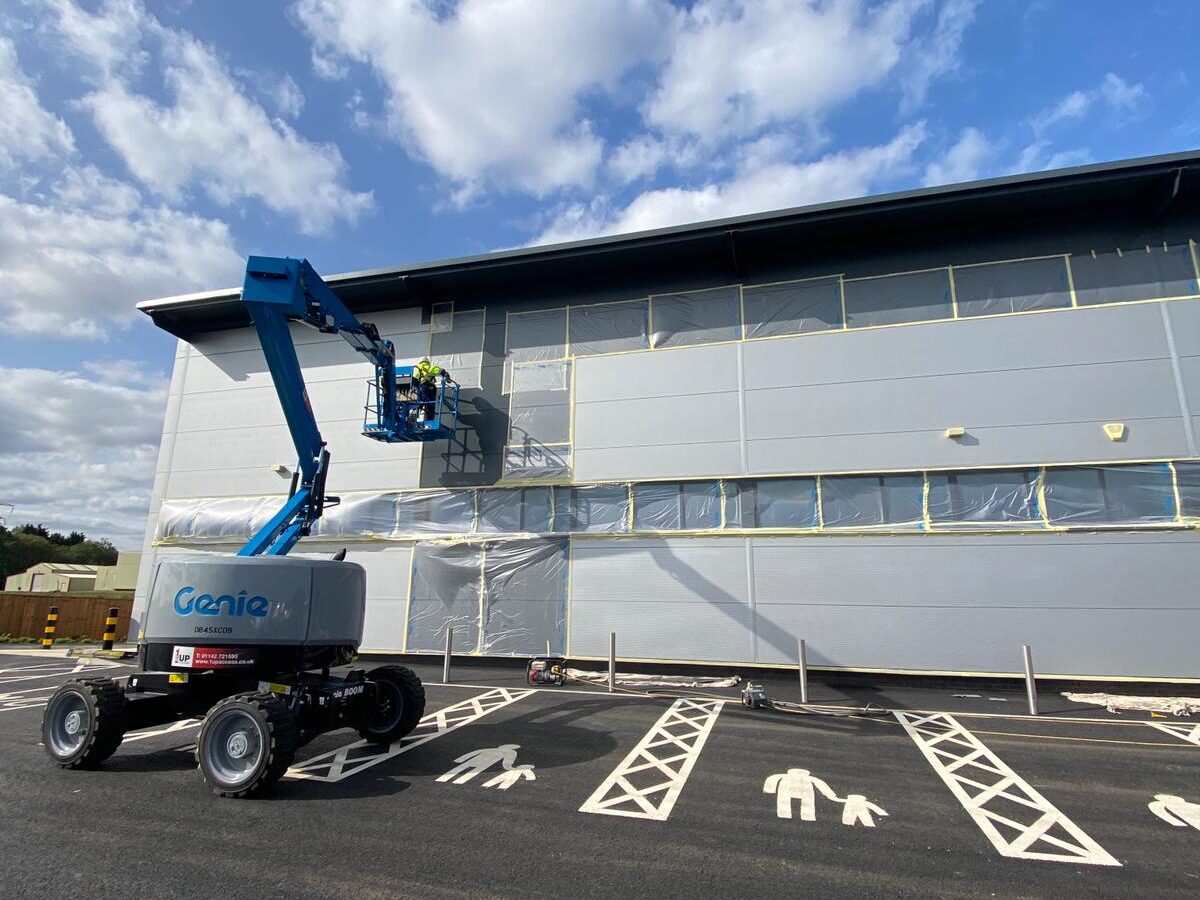
Cut-edge Corrosion
Cut-edge corrosion is one of the most common and costly winter cladding issues in the UK. It happens when cladding panels are cut during installation, and the protective coating at the edges gets exposed. Cold, wet weather accelerates rust formation at these vulnerable points, and once it starts, it can spread very quickly.
Before you know it, what begins as a small rust spot in autumn can spread several metres along the panel edge by spring. This happens because the rust works its way under the coating, causing blistering and delamination that extends far beyond the original damage. Left unchecked, you’re looking at full panel replacement rather than a simple repair.
Professional cut-edge corrosion treatment involves cleaning affected areas, removing active corrosion, and applying protective coating systems. This approach costs a fraction of panel replacement and can extend your cladding’s lifespan by 15 years or more.
Water Ingress Behind Panels
Winter rainfall finds its way into the smallest gaps. As such, damaged sealants, loose fasteners, and compromised panel joints all provide entry points for water during persistent rain. And unfortunately, once water gets behind your cladding panels, it becomes trapped against the building structure.
In winter, this is more of an issue because drying times can be slow. So, moisture stays in contact with metal components and insulation for weeks at a time, which causes rust on the reverse side of panels and damages insulation performance. This often leads to internal water damage that’s far more expensive to fix than the original cladding issue.
Early warning signs include staining on internal walls, damp patches during heavy rain, and visible water trails on the exterior. If you’re seeing any of these, on-site repairs should be your priority. Fixing water ingress early prevents structural damage and avoids the need for full panel replacement.
Fading and Failing Coatings
UV exposure during summer weakens cladding coatings, but winter weather often finishes the job. Rain penetrates tiny cracks in older coatings, frost causes expansion, and the cycle repeats until large sections start peeling away.
That’s why faded coatings aren’t just an aesthetic problem. Once the protective layer fails, the substrate beneath becomes vulnerable to corrosion and water damage. From here, what starts as discolouration can become a structural, expensive issue.
Cladding spraying addresses this before replacement becomes necessary. Professional spray coating restores the protective barrier and refreshes your building’s appearance at up to 80% less cost than panel replacement. Modern coating systems also offer superior UV and weather resistance compared to original finishes, providing better long-term protection.
Blocked Gutters and Drainage
Winter leaves, debris, and standing water in blocked gutters cause overflow that runs directly down cladding panels. This constant exposure accelerates all the problems mentioned above, particularly around fixing points and panel joints.
Blocked drainage also increases the load on gutter systems, causing sagging and joint failures that lead to more serious water ingress issues. Regular gutter maintenance and replacement prevent these cascading problems and protect your cladding investment.
Rust Staining and Surface Contamination
Rust staining appears on cladding for two reasons:
- Corrosion from the panels themselves.
- Rust run-off from other building elements like fixings, flashings, and adjacent metalwork.
Winter rain spreads these stains across large areas, which makes them highly visible and difficult to remove without professional help.
Surface contamination from algae, moss, and atmospheric pollution also becomes more apparent in winter. These hold moisture against the cladding surface, accelerating deterioration and creating an unprofessional appearance that affects your property’s value.
Commercial pressure washing removes surface contamination and prepares cladding for protective treatments. Combined with rust treatment and protective coatings, it can effectively restore appearance while preventing future damage.
How On-Site Spraying Prevents Replacement
Many building owners assume that weathered or damaged cladding means replacement is inevitable. That’s rarely true. Because on-site paint spraying can restore cladding to better-than-new condition at a fraction of replacement cost.
The process involves thorough cleaning, surface preparation, repair of any damage, and application of high-performance coating systems. These modern coatings bond with existing panels to create a protective barrier that resists UV damage, prevents water ingress, and stops corrosion before it starts.
Professional cladding spraying also avoids the disruption and downtime associated with replacement. Most buildings remain operational throughout the work, with projects completed in weeks rather than months.
So, for businesses that can’t afford extended closures, spraying becomes the obvious choice.
Why Act Now
Warmer months bring longer lead times for maintenance work as every property owner tries to address winter damage at once. Contractors get booked up, costs increase, and you’re left waiting for availability while problems continue to get worse.
As a result, addressing cladding issues earlier means you avoid the busy period, get better contractor availability, and prevent minor problems from becoming major expenses. It also means your building looks its best when the weather improves, and business activity picks up.
Book Your Free Winter Cladding Inspection
Don’t wait for small issues to become expensive problems. A professional cladding inspection identifies vulnerabilities before they cause serious damage and gives you a clear plan for cost-effective maintenance.
At ACS Coatings, we provide free winter cladding inspections for commercial and industrial properties. Our experienced team will assess your building, identify any issues, and recommend the most cost-effective solutions to protect your investment.
Get a quote or contact ACS Coatings on 0800 987 5886 to beat the spring lead times.